
Call: 602-264-0707
Types of Dental Bridges: Choosing the Best Option for Your Smile
January 26, 2023
Blog
When it comes to cosmetic dentistry, there are a wide array of solutions available. One popular method is the use of bridges, which can be used to replace one or more missing teeth. Bridges are often seen as an effective way to improve the appearance and function of your smile, as they can provide a strong foundation for a new, healthy smile. In this article, we’ll explore the different types of bridges available and how they compare to other cosmetic dentistry solutions.
What is a Bridge?
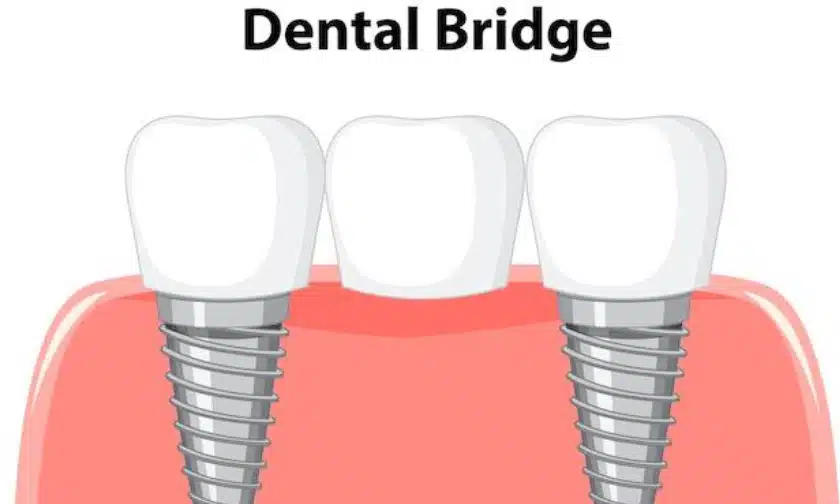
A bridge is a dental prosthetic that consists of two or more crowns on either side of the gap left by missing teeth. These crowns are fused together and permanently cemented to the two adjacent teeth or dental implants. Bridges can be made of a variety of materials, including porcelain, metal alloys, and zirconium oxide. The type of material used will depend on your individual needs and preferences.
Advantages of Bridges
Bridges offer several advantages over other cosmetic dentistry solutions. They provide a strong, stable foundation for the new teeth, preventing them from shifting or becoming misaligned. Bridges also help restore your natural bite and chewing functionality. Additionally, bridges look very natural and can be customized to match your existing teeth.
Wondering which dental bridge material offers the best combination of strength and aesthetics? Explore our comprehensive guide on the types and materials used for dental bridges to make an informed choice.
Exploring the Different Types of Dental Bridges
Traditional Dental Bridges
Traditional dental bridges are one of the most widely used options for replacing missing teeth. They consist of one or more artificial teeth supported by dental crowns that are cemented onto the natural teeth on either side of the gap. These abutment teeth provide stability, making the bridge secure and functional. This option is best suited for patients with strong, healthy teeth adjacent to the missing tooth.
Cantilever Dental Bridges
Cantilever bridges differ from traditional ones because they are anchored by a crown on only one side of the gap. While less common, they are a practical solution when there are healthy teeth on just one side of the missing tooth. They are typically placed in areas of the mouth with less chewing pressure, such as the front teeth.
Maryland Bonded Bridges
Also known as resin-bonded bridges, these use a metal or porcelain framework with small “wings” that bond to the back of the neighboring teeth. This approach requires little to no tooth preparation, making it a conservative and less invasive option. Maryland bridges are often used for replacing front teeth where aesthetics are a priority.
Implant-Supported Bridges
Instead of relying on adjacent natural teeth, implant-supported bridges are anchored directly into the jawbone with dental implants. This makes them one of the most stable and durable bridge options, offering long-term functionality and natural-looking results.
Fixed-Movable Bridges
This hybrid design combines the security of a fixed bridge with the flexibility of a removable one. The fixed section is anchored to abutment teeth, while the movable part allows for easier cleaning and maintenance. This type is often used for patients with specific structural or hygiene needs.
Temporary Dental Bridges
Temporary bridges are short-term solutions placed while waiting for a permanent bridge. Made from acrylic or composite resin, they protect exposed teeth and gums, maintain alignment, and allow patients to eat and speak normally during the transition.
Composite Resin Bridges
Made from tooth-colored composite material, these bridges are bonded directly to the surrounding teeth. While not as strong as porcelain or metal, they are affordable, minimally invasive, and blend seamlessly with natural teeth. They are usually recommended for smaller gaps.
Zirconia Dental Bridges
Zirconia bridges are known for their exceptional strength and natural appearance. Made from zirconium dioxide, they are biocompatible, highly durable, and resistant to wear. Their translucent quality closely mimics natural tooth enamel, offering both durability and aesthetics.
Porcelain-Fused-to-Metal (PFM) Bridges
PFM bridges combine a strong metal base with a porcelain coating for a natural look. This design provides durability and strength while maintaining an aesthetic appearance. They are a versatile choice, ideal for restoring both function and appearance in areas that require strength and visibility.
If you’re searching for the right dental bridge in Phoenix, Highland Dental Studio offers expert solutions tailored to your needs. Our team provides a comprehensive range of dental bridge options, including fixed and removable bridges, to restore both function and aesthetics to your smile. Each bridge is custom-designed to ensure a comfortable fit and natural appearance. With a commitment to patient care, Highland Dental Studio guides you through every step of the process, from initial consultation to final placement.
Conclusion
Bridges are an effective way to improve your smile and restore your natural bite and chewing function. They provide a strong, stable foundation for the new teeth, look very natural, and can last for many years with proper care. However, bridges may require more maintenance than other cosmetic dentistry solutions and can be more costly. Be sure to discuss all of your options with your dentist before making a decision.
FAQs
Q: How long do bridges last?
A: Bridges can last for many years with proper care and maintenance. However, they may need to be replaced over time due to wear and tear.
Q: Are bridges more expensive than other cosmetic dentistry solutions?
A: Generally, bridges are more expensive than other cosmetic dentistry solutions such as veneers and dentures.
Q: How can I care for my bridge?
A: You should brush and floss your bridge regularly with special attention to the area around the bridge. Be sure to also visit your dentist for routine check-ups and cleanings.
Q: Can I eat normally with a dental crown or bridge?
A: Yes, once your crown or bridge is securely in place, you can eat most foods normally. Just try to avoid overly hard or sticky items to prevent damage.
Q: Is the procedure for getting a dental bridge painful?
A: No, the procedure is not usually painful. Your dentist will numb the area with local anesthesia, and any mild discomfort afterward can be eased with over-the-counter pain relievers.
Q: How long do crowns and bridges typically last?
A: With good oral hygiene and regular checkups, crowns and bridges can last 10–15 years or even longer.
Recent Posts

Jun. 03, 2026
Oral Health Tips for Phoenix’s Desert Climate: Heat, Dry Air & Your Teeth

May. 27, 2026
How to Keep Your Teen Compliant With Invisalign Without Daily Battle

May. 20, 2026
How Often Do You Need an Invisalign Check-Up?

May. 14, 2026
5 Signs You Should See a Dentist Right Away

May. 07, 2026