
Call: 602-264-0707
Do I Have to Wear a Retainer After Invisalign, and for How Long?
November 13, 2026
Invisalign
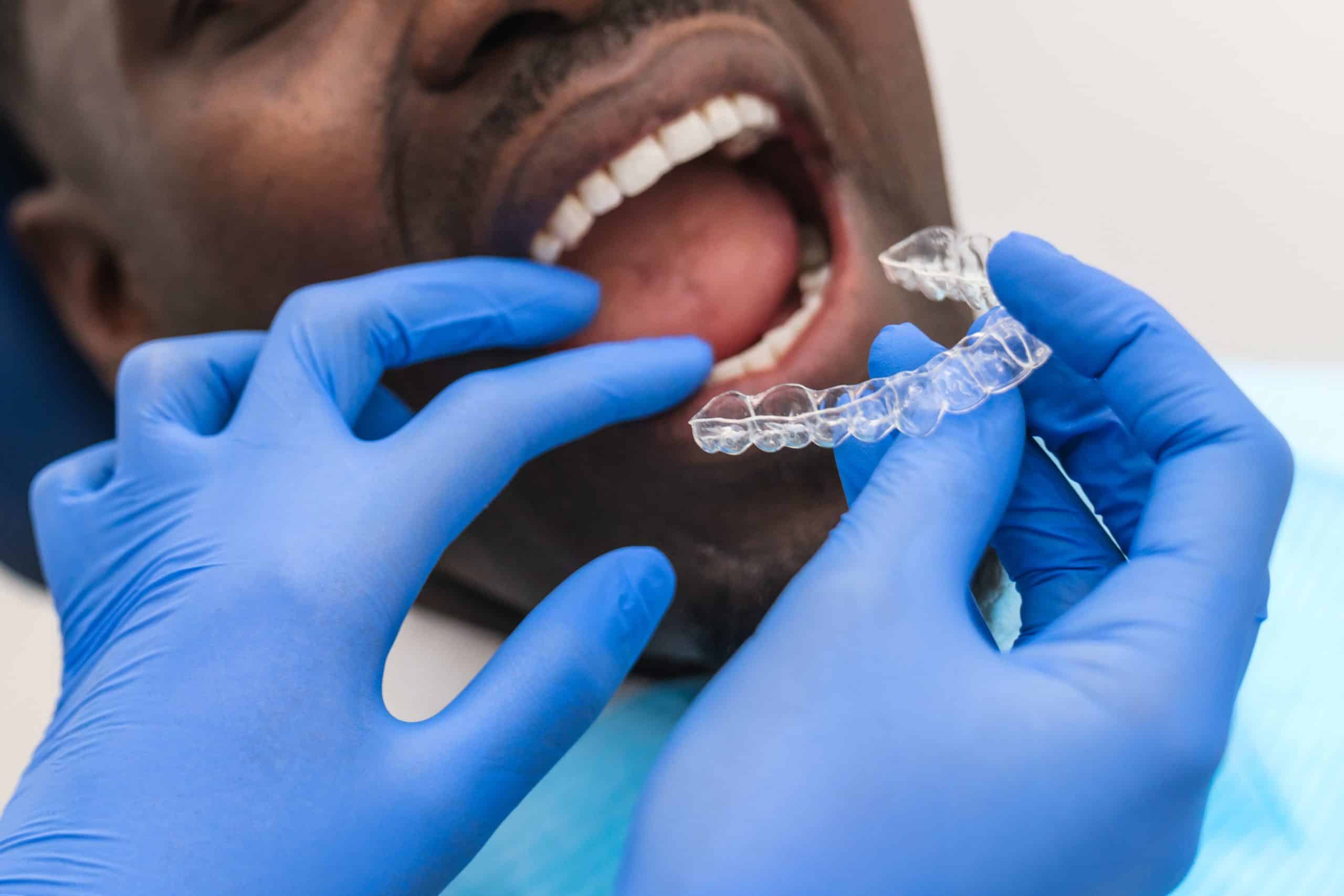
Completing Invisalign treatment does not mean your orthodontic care is over. You will need to wear a retainer after Invisalign to maintain your new tooth positions and prevent unwanted shifting. At Highland Dental Studio Phoenix, patients considering Invisalign in phoenix can learn about the treatment process, expected results, and the importance of maintaining their alignment after their final set of clear aligners.
Retainers are an essential part of orthodontic retention. Although your teeth may look straight when treatment ends, the surrounding bone, gums, and supporting tissues need time to adapt to their new positions. Consistent retainer use helps preserve the alignment achieved through clear aligner treatment.
Why Do You Need a Retainer After Invisalign?
Yes, you need a retainer after Invisalign because teeth can gradually shift toward their previous positions after active orthodontic treatment ends.
Invisalign aligners apply controlled pressure to move teeth into planned positions. Once the final aligner is removed, that continuous pressure stops. However, the tissues supporting your teeth are still adapting to the changes.
This process is known as orthodontic relapse. It can occur because the periodontal ligament, surrounding bone, and soft tissues respond to changes in tooth position.
Several factors can contribute to post-treatment movement:
- Periodontal ligament remodeling: The ligament surrounding each tooth needs time to adapt to its new position.
- Bone remodeling: The jawbone undergoes structural changes as teeth move.
- Natural aging: Teeth can shift throughout adulthood, even without previous orthodontic treatment.
- Daily biting forces: Chewing and other normal oral activities place pressure on teeth.
- Previous alignment problems: Significant crowding or spacing may increase the need for consistent retention.
A properly fitted retainer holds teeth in their corrected positions while the supporting structures stabilize. It also helps maintain the functional and aesthetic improvements achieved during treatment.
How Long Do You Have to Wear a Retainer After Invisalign?
Most patients need to wear retainers full-time initially, followed by nighttime wear indefinitely, according to their orthodontist’s instructions.
The exact schedule depends on tooth movement, treatment complexity, and individual stability. There is no universal schedule that applies to every Invisalign patient.
A typical retention plan involves two stages:
1. Initial Full-Time Retainer Wear
Immediately after completing Invisalign, your dentist may recommend wearing a removable retainer throughout most of the day and night.
You generally remove it for eating, drinking anything other than water, and cleaning your teeth. The initial full-time period allows the supporting tissues to adapt without unnecessary tooth movement.
The duration varies. Your orthodontist will determine when it is appropriate to reduce daily wear.
2. Long-Term Nighttime Retainer Wear
Once your teeth become more stable, your dentist may recommend wearing your retainer only while sleeping.
Nighttime use helps maintain alignment against the natural forces that can gradually move teeth. Many patients need this routine for the rest of their lives.
The American Association of Orthodontists (AAO) supports long-term retainer use because teeth can continue changing throughout life. Therefore, completing Invisalign does not eliminate the need for ongoing retention.
What Types of Retainers Can You Wear After Invisalign?
Three common retention options are clear removable retainers, Hawley retainers, and fixed bonded retainers.
Your dentist will recommend an appliance based on your alignment, treatment history, and ability to follow the prescribed wearing schedule.
Clear Removable Retainers
Clear retainers are custom-made plastic trays that fit over your teeth. They resemble Invisalign aligners but are designed to maintain alignment rather than actively move teeth.
Their transparent appearance makes them less noticeable during everyday use. They can also be removed for meals and oral hygiene.
Vivera retainers are one example of this type. They are manufactured by Align Technology, the company behind Invisalign.
Hawley Retainers
Hawley retainers consist of an acrylic base and a metal wire that holds teeth in position. They are removable and can be adjusted by a dental professional when necessary.
They are commonly used following orthodontic treatment and can provide long-term retention when properly maintained.
Fixed Bonded Retainers
A fixed retainer consists of a thin metal wire bonded to the back surfaces of selected teeth, commonly the lower front teeth.
Unlike removable appliances, it stays in place continuously. However, careful brushing and flossing are necessary because plaque can collect around the bonded wire.
Your dentist may recommend a fixed retainer alone or combine it with a removable appliance.
What Happens If You Stop Wearing Your Invisalign Retainer?
Stopping retainer use increases the risk of tooth movement, which can gradually reverse some of the alignment achieved through Invisalign.
The amount of movement varies between individuals. Some patients notice changes within a relatively short period, while others experience gradual shifting over a longer timeframe.
Possible consequences include:
- Crowding: Previously straight teeth may begin overlapping again.
- Spacing: Small gaps may develop between teeth.
- Bite changes: Upper and lower teeth may no longer meet in their intended positions.
- Poor retainer fit: An existing appliance may become uncomfortable or difficult to insert.
- Additional orthodontic treatment: Significant relapse may require professional correction.
A systematic review published in the Cochrane Database of Systematic Reviews highlights the importance of retention following orthodontic treatment. It also notes that evidence does not establish one universally accepted retention schedule.
If your retainer no longer fits, do not force it over your teeth. Contact your dentist for an assessment. Attempting to wear an ill-fitting appliance may cause unnecessary discomfort or pressure.
How Should You Clean and Maintain Your Retainer?
Clean your removable retainer regularly with a soft toothbrush and an appropriate cleaning method to reduce plaque buildup and maintain its condition.
Proper maintenance helps prevent discoloration, unpleasant odors, and bacterial accumulation.
Follow these practical care instructions:
- Rinse the appliance with cool or lukewarm water whenever you remove it.
- Gently brush it with a separate soft-bristled toothbrush.
- Use a manufacturer-approved cleaning solution when needed.
- Store it in a protective case when it is not being worn.
- Keep it away from hot water and excessive heat, which can distort its shape.
- Clean your teeth before reinserting the appliance.
Avoid using boiling water or abrasive cleaning products. These can damage clear plastic retainers.
For fixed retainers, clean around the bonded wire carefully. Use a floss threader or an appropriate interdental cleaning aid to remove debris from difficult-to-reach areas.
When Should You Replace or Adjust Your Retainer?
You should have your retainer evaluated if it becomes damaged, loses its shape, feels unusually tight, or no longer fits properly.
Removable retainers experience normal wear with repeated use. Cracks, warping, and changes in fit can reduce their ability to maintain tooth alignment.
Watch for these signs:
- Visible cracks or broken sections.
- Persistent discomfort when inserting the appliance.
- Loose or distorted plastic.
- Difficulty seating the retainer completely.
- A broken or detached bonded wire.
Do not attempt to repair a damaged retainer with household adhesives or heat. Your dentist can determine whether an adjustment or replacement is necessary.
Replacement costs vary depending on the appliance type, dental office, and individual treatment plan. Check with your provider about replacement fees and whether additional retainers are included in your original treatment arrangement.
How Can You Maintain Your Invisalign Results in Phoenix?
Consistent retainer use and periodic dental evaluations help preserve the alignment achieved through Invisalign treatment.
Your retention plan should account for your original alignment concerns, treatment results, and oral health. Following the prescribed wearing schedule is particularly important during the initial months after active treatment.
Contact at Highland Dental Studio Phoenix, Dr. Mahwesh Razzaq provides Invisalign treatment for patients seeking orthodontic care. The practice uses digital scanning and customized treatment planning to guide clear aligner treatment.
Patients considering Invisalign in Phoenix can discuss their alignment goals, treatment requirements, and post-treatment retention needs after visiting our clinic.
If you have completed clear aligner treatment elsewhere and need guidance about retainer fit or maintenance, arrange a dental evaluation to determine the appropriate next step.
FAQs
1. Do you have to wear a retainer forever after Invisalign?
Yes, long-term retainer use is generally recommended because teeth can shift naturally throughout life, even years after Invisalign treatment.
2. How many hours a day should I wear my Invisalign retainer?
Initially, your dentist may recommend full-time wear, followed by nighttime use according to your individual retention plan.
3. Can teeth shift after one week without wearing a retainer?
Yes, teeth can begin shifting within a short period without retention, although the amount of movement varies between individuals.
4. Can I wear my last Invisalign tray instead of a retainer?
Your final aligner may provide temporary support if your dentist approves, but it is not necessarily a substitute for a properly prescribed retainer.
5. What should I do if my retainer feels too tight?
Stop forcing it into position and contact your dentist to determine whether tooth movement or an appliance problem is affecting its fit.
Recent Posts
Nov. 13, 2026
Do I Have to Wear a Retainer After Invisalign, and for How Long?
Nov. 05, 2026
Does Invisalign Hurt and How Long Does the Soreness Last?

Oct. 27, 2026
Why Do I Have Bad Breath Even When I Brush and Floss?

Oct. 22, 2026
What Are the Early Signs of Gum Disease?
Oct. 15, 2026