
Call: 602-264-0707
The Stages Involved in the Dental Implant Procedure
February 14, 2023
Dental Implants
Losing a tooth can shake your confidence — and your bite. But modern dentistry has a solution that goes far beyond dentures or bridges. If you’ve been considering a dental implant in Phoenix, understanding exactly what the procedure involves can transform anxiety into informed excitement. The dental implant process is a multi-stage journey, and each step is carefully designed to give you a restoration that looks, feels, and functions like a natural tooth.
The dental implant procedure typically involves four main stages: an initial consultation and treatment planning, tooth extraction (if needed), titanium implant placement, osseointegration (healing), and final crown attachment. From start to finish, the process usually spans several months — but the result is a permanent, natural-looking tooth replacement.
Why Dental Implants Are the Gold Standard for Tooth Replacement
According to the American Academy of Implant Dentistry, more than 3 million people in the United States have dental implants — and that number grows by about 500,000 annually. It’s not hard to see why. Unlike traditional dentures, implants are anchored directly into the jawbone, preventing the bone loss that typically follows tooth extraction. They’re also designed to last decades with proper oral hygiene, making them one of the most cost-effective long-term solutions available.
For patients across the Phoenix, AZ area, implants offer a life-changing improvement — not just cosmetically, but functionally. You can eat, speak, and smile without the slippage or discomfort that often comes with removable prosthetics.
Stage 1: The Initial Consultation and Treatment Planning
Every successful implant procedure begins with a thorough evaluation. At Highland Dental Studio, this means a comprehensive review of your dental and medical history, along with advanced 3D imaging (cone beam CT scans) to assess your bone density, jaw structure, and the health of surrounding teeth and tissues.
This stage is where your dentist determines candidacy. Not everyone is immediately eligible for implants — factors like active gum disease, insufficient bone volume, or certain systemic conditions may require treatment before implant placement can proceed. If bone loss has already occurred, a bone grafting procedure may be recommended to rebuild the foundation. Your care team will walk you through every recommendation, so you know exactly what to expect before committing to the plan.
Stage 2: Tooth Extraction (When Necessary)
If the tooth being replaced is still present, it will need to be extracted prior to implant placement. In many cases, a “same-day” or immediate implant placement is possible — meaning the implant post can be inserted into the socket right after extraction, provided bone and tissue conditions are favorable. This approach can shorten the overall treatment timeline significantly.
When immediate placement isn’t suitable, patients typically wait six to twelve weeks for the extraction site to heal adequately before moving on to the next phase. Your Phoenix implant dentist will make this determination based on the health and shape of the socket.
Stage 3: Implant Post Placement and Osseointegration
This is the surgical core of the procedure. Under local anesthesia — and sedation if preferred — a small titanium post is precisely placed into the jawbone at the site of the missing tooth. Titanium is used specifically because of its biocompatibility: the body accepts it as its own, allowing bone cells to fuse with the post in a process called osseointegration.
What happens during osseointegration?
Osseointegration is the biological phenomenon that makes implants so remarkably durable. Over the course of three to six months, your jawbone grows around and bonds with the titanium post, creating an anchor as strong as a natural tooth root. During this healing period, a temporary crown or prosthetic may be placed to maintain aesthetics and function.
Patients often describe this phase as surprisingly manageable — mild soreness and swelling for a few days post-surgery is normal, but most people return to their regular routine within a day or two. Sticking to soft foods and following your dentist’s aftercare instructions supports optimal healing.
Stage 4: Abutment Placement
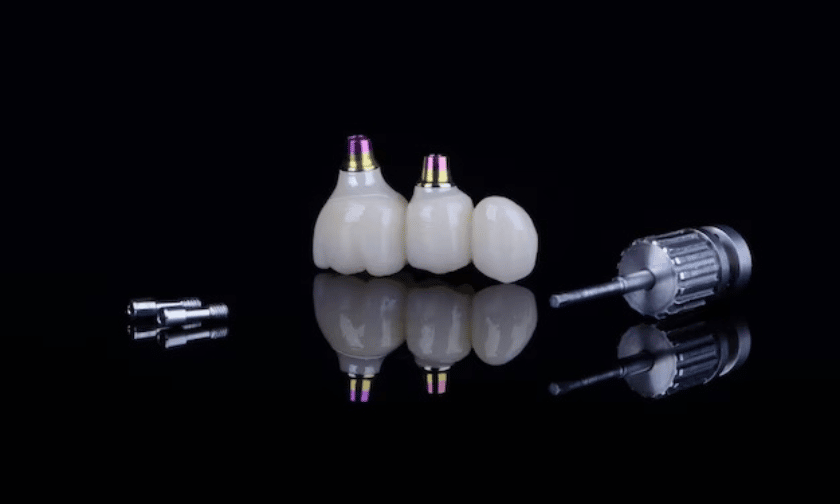
Once osseointegration is confirmed — typically through imaging and a clinical examination — the next step is attaching the abutment. This is a small connector piece that sits just above the gumline and serves as the attachment point for your final crown.
Abutment placement is a minor procedure, often performed under local anesthesia. After it’s secured, the gum tissue is given two to four weeks to heal and shape naturally around the abutment before crown fabrication begins.
Stage 5: Custom Crown Fabrication and Final Placement
The finishing touch — and for many patients, the most exciting stage — is the attachment of the permanent crown. Impressions or digital scans of your mouth are used to create a crown that’s custom-matched to the shape, size, and shade of your surrounding teeth. This level of precision is what makes implant restorations virtually indistinguishable from natural teeth.
Once the crown is fabricated (typically within two to three weeks at an off-site dental lab), it’s secured onto the abutment and adjusted for proper bite alignment. Most patients walk out of this appointment feeling like they’ve been given their smile back.
Aftercare: Protecting Your Investment for Life
Dental implants require the same care as natural teeth — brushing twice daily, flossing, and attending regular professional cleanings. With excellent oral hygiene habits, implants can last 25 years or longer. Avoiding tobacco, managing conditions like diabetes, and protecting your teeth from grinding (bruxism) are all factors that meaningfully extend implant longevity.
Regular checkups at your Phoenix dental practice also allow your dentist to monitor the implant, surrounding bone, and gum tissue, catching any potential concerns before they become problems. If you’re ready to take the first step, schedule a consultation with our team to find out if dental implants are the right solution for your smile.
FAQ
How long does the dental implant process take from start to finish?
The full dental implant procedure typically takes anywhere from three to nine months, depending on whether bone grafting is needed, how quickly osseointegration occurs, and healing timelines unique to each patient. Your dentist will provide a personalized treatment timeline at your initial consultation.
Is the dental implant procedure painful?
Most patients report that the procedure is far more comfortable than they anticipated. Local anesthesia is used during surgery, and sedation options are available. Post-operative discomfort is typically mild and manageable with over-the-counter pain relievers for a day or two.
Am I a good candidate for dental implants in Phoenix?
Good candidates are generally adults with sufficient jawbone density, healthy gums, and no uncontrolled systemic conditions that impair healing. A thorough evaluation at Highland Dental Studio will determine your eligibility and whether any preparatory treatment — like bone grafting — is needed first.
What is osseointegration and why does it matter?
Osseointegration is the process by which the jawbone fuses with the titanium implant post. It’s the foundation of the implant’s strength and stability. Without successful osseointegration, the implant would not be securely anchored. This process typically takes three to six months.
Can I get a dental implant the same day a tooth is extracted?
In many cases, yes. Immediate implant placement — inserting the implant post right after extraction — is possible when bone volume and socket conditions are favorable. This approach can shorten the overall treatment timeline. Your dentist will assess your specific situation to determine if same-day placement is an option.
How do I care for a dental implant after it’s placed?
Implants require the same daily care as natural teeth: brush twice a day, floss daily, and attend routine dental cleanings. Avoid tobacco and protect your implant from excessive grinding. With proper care, dental implants can last 25 years or more.
Recent Posts

May. 20, 2026
How Often Do You Need an Invisalign Check-Up?

May. 14, 2026
5 Signs You Should See a Dentist Right Away

May. 07, 2026
Broken Tooth at Night in Phoenix? Know What Your Next Step Should Be

Apr. 27, 2026
Invisalign Before and After: What Results Can You Realistically Expect?

Apr. 20, 2026