
Call: 602-264-0707
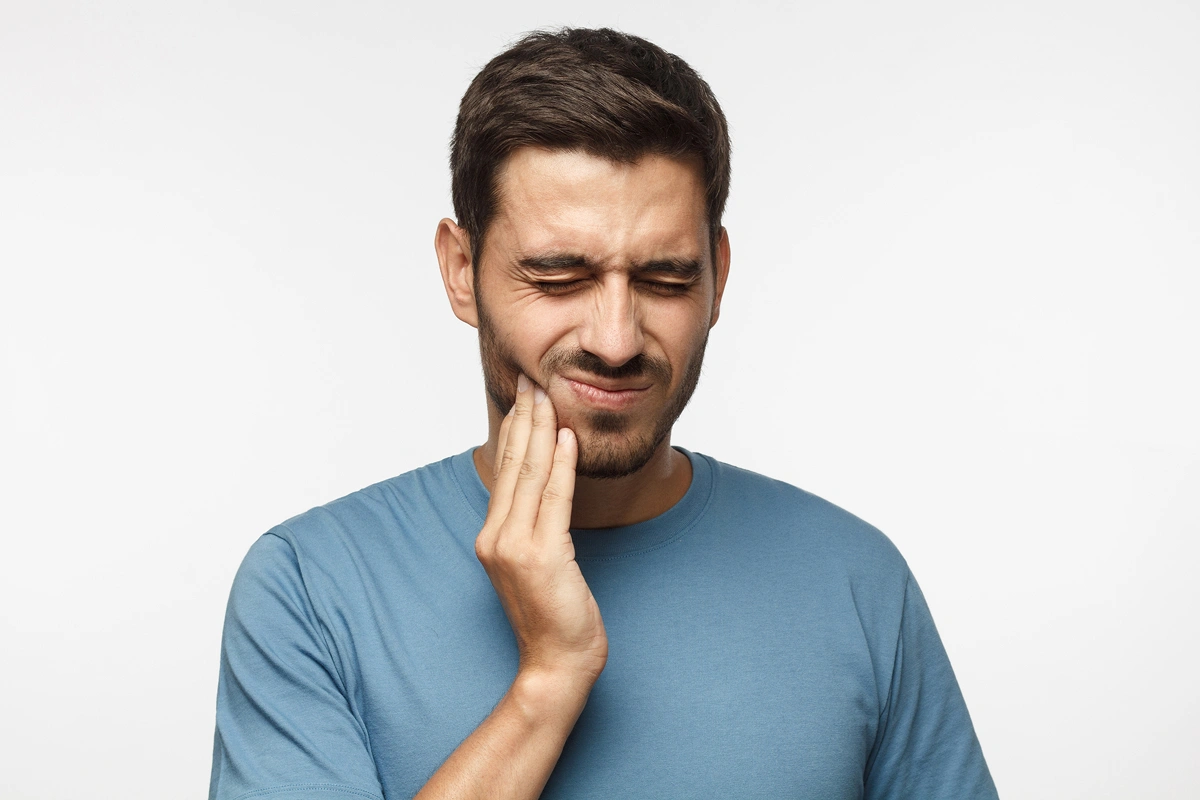
Can Jaw Pain After Eating Be a Sign You Need to See an Orthodontist in Phoenix?
May 9, 2025
Blog
Have you ever finished a meal only to feel a deep ache in your jaw? For many in Phoenix, what starts as mild discomfort after eating can gradually turn into chronic jaw pain that interferes with daily life. If this sounds familiar, you’re not alone—and your pain might be telling you something important. One overlooked reason for post-meal jaw discomfort could be an underlying orthodontic issue. That’s where an experienced orthodontist in Phoenix can help.
In this article, we’ll explore how jaw pain can be more than just a passing ache, the orthodontic causes behind it, and how visiting a trusted dental office in Phoenix might be the first step toward relief.
Understanding Jaw Pain After Eating
Why Does My Jaw Hurt After Meals?
Eating should be an effortless, even enjoyable, part of your day. But if you’re experiencing tension, soreness, or clicking in your jaw when chewing, it could be a sign of a misalignment problem. According to the National Institute of Dental and Craniofacial Research, temporomandibular joint disorders (TMJ or TMD) affect over 10 million Americans. Often, these disorders are rooted in how your teeth align—or don’t align.
Symptoms may include:
- Pain or tenderness in your jaw
- Clicking or popping sounds when chewing
- Difficulty opening or closing your mouth
- Earaches or headaches that stem from jaw strain
When Should You See an Orthodontist?
Identifying the Orthodontic Connection
While many people think orthodontists only straighten teeth, they also specialize in correcting bite alignment, jaw development, and overall facial structure. If your bite is off—what’s known as malocclusion—your jaw muscles may overcompensate while you chew. Over time, this leads to joint stress, inflammation, and pain.
An Skilled orthodontist in Phoenix can assess whether your jaw pain stems from:
- A misaligned bite (overbite, underbite, crossbite)
- Teeth grinding or clenching (bruxism)
- TMJ disorders aggravated by bite imbalance
- Crowded or crooked teeth impacting jaw function
Local Considerations in Phoenix
Living in Phoenix means you’re surrounded by a dry climate, which can sometimes lead to dehydration—a lesser-known trigger for jaw clenching. Combine that with high-stress lifestyles, and it’s no surprise many locals experience TMJ-related issues. Thankfully, reputable dental offices in Phoenix offer targeted orthodontic evaluations to pinpoint and address these problems.
Treatment Options from a Phoenix Orthodontist
Personalized Orthodontic Care
Once a diagnosis is made, treatment plans are tailored to your specific condition. Some common interventions include:
- Braces or clear aligners (like Invisalign) to correct bite issues
- Nightguards to prevent grinding and clenching
- Jaw expanders for structural correction
- TMJ therapy to relieve joint stress
Advanced imaging and digital scanning make it easier for orthodontists to design accurate, comfortable treatments. In many Phoenix dental offices, these technologies are standard, allowing for precision care and quicker relief.
The Data Behind It
A study published in the Journal of Oral Rehabilitation found that orthodontic treatment significantly reduces TMJ symptoms in patients with malocclusion. In another survey, 72% of patients reported reduced jaw pain after starting orthodontic treatment. These statistics highlight the importance of addressing the root cause, not just managing the pain.
What to Expect at a Phoenix Dental Office
When you visit a dental office in Phoenix, the process usually begins with a detailed consultation. Here’s what you can expect:
- Comprehensive exam – Evaluating jaw function, bite, and alignment.
- Digital imaging – Scans that show bone structure and joint movement.
- Custom treatment plan – Based on your lifestyle, symptoms, and goals.
Many Phoenix practices also offer financing plans or consultations to make care more accessible.
FAQs – Orthodontist in Phoenix and Jaw Pain
Q1: How do I know if my jaw pain is from a dental issue?
If your jaw pain occurs primarily after eating, chewing, or speaking, it may be linked to an orthodontic problem. A professional evaluation can determine whether your bite or jaw alignment is the cause.
Q2: Is jaw pain ever a dental emergency?
Persistent, severe, or worsening jaw pain—especially when accompanied by swelling or locking—may require urgent attention. If you’re unsure, contact your local dental office in Phoenix for guidance.
Q3: Will braces help with jaw pain?
Yes, in many cases braces or aligners help by correcting the bite and relieving pressure on the jaw joint. Your orthodontist can determine the best approach.
Q4: What if I already had orthodontic work but still have jaw pain?
Even after orthodontic treatment, habits like grinding or changes in bite alignment can cause new issues. A follow-up with an orthodontist in Phoenix can rule out or treat any recurring concerns.
Take Control of Your Jaw Health
Jaw pain isn’t something you have to live with. In fact, ignoring it could lead to more serious problems like chronic headaches, worn teeth, or difficulty speaking and eating. Whether you’re dealing with occasional discomfort or daily pain, a local orthodontist in Phoenix can help you get to the root of the issue and find lasting relief.
For trustworthy, professional guidance on jaw pain and orthodontic care, visit a local dental office in Phoenix that specializes in personalized, patient-centered treatment. You can also find reputable information on jaw and bite health from the American Dental Association.
Schedule an Appointment with an experienced orthodontic provider today and take the first step toward a pain-free smile.
Recent Posts
May. 27, 2026
How to Keep Your Teen Compliant With Invisalign Without Daily Battle

May. 20, 2026
How Often Do You Need an Invisalign Check-Up?

May. 14, 2026
5 Signs You Should See a Dentist Right Away

May. 07, 2026
Broken Tooth at Night in Phoenix? Know What Your Next Step Should Be
Apr. 27, 2026