
Call: 602-264-0707
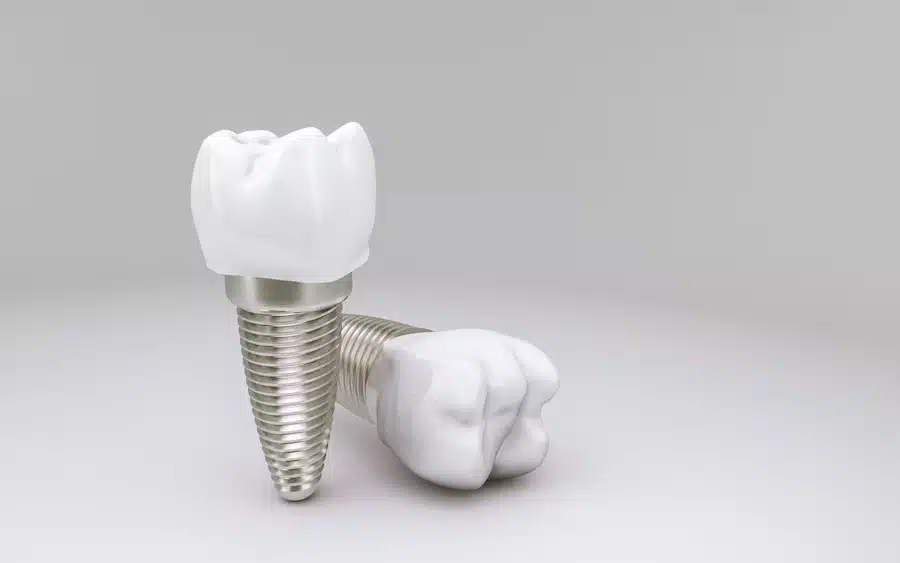
A Guide to Preventing Fungal Complications After Dental Implants
August 29, 2025
Blog
Dental implants are a popular and effective solution for replacing missing teeth, offering a natural look and feel. However, just like any surgical procedure, they come with certain risks. One such risk is the potential for fungal infections, which can complicate the healing process and affect the longevity of the implant. Understanding how to prevent these infections is crucial for ensuring a smooth recovery and the success of your dental implant.
What Are Fungal Infections in Dental Implants?
Fungal infections in dental implants are relatively rare but can occur, especially if proper oral hygiene is not maintained. These infections are often caused by fungi such as Candida, which can lead to conditions like peri-implantitis—a serious infection that affects the tissues around the implant. If left untreated, it can result in implant failure.
If you’re curious about how dental implants can completely restore your smile, check out our detailed guide on how dental implant can resolve the issue of missing teeth.
Proven Tips to Prevent Fungal Infections After Implant Surgery
Maintain Excellent Oral Hygiene
Keeping your mouth clean is the most effective way to prevent infections. Brush your teeth at least twice a day using a soft-bristled toothbrush and fluoride toothpaste. Use a non-alcoholic mouthwash to reduce the risk of irritation and dryness. Floss gently around the implant area to remove food particles and plaque.
Follow Post-Operative Care Instructions
Your dentist will provide specific instructions after your implant surgery. These may include recommendations on diet, activity restrictions, and medication. Adhering to these guidelines helps minimize the risk of complications, including infections.
Avoid Smoking and Alcohol
Smoking and excessive alcohol consumption can impair the healing process and increase the risk of infection. It’s advisable to avoid these habits, especially in the initial weeks following your implant procedure.
Schedule Regular Follow-Up Appointments
Regular check-ups with your dentist allow for early detection of any potential issues, including signs of infection. These appointments are essential for ensuring the implant is healing properly and to address any concerns promptly.
Use Antifungal Medications if Prescribed
In some cases, your dentist may prescribe antifungal medications to prevent or treat infections. It’s important to take these medications exactly as directed to ensure their effectiveness.
Why Choose Highland Dental Studio for Your Dental Implants
If you’re seeking a trusted and experienced implants dentist in Phoenix, look no further than Highland Dental Studio. Our team of professionals is dedicated to providing high-quality dental implant services, ensuring your comfort and safety throughout the process. With a focus on patient education and personalized care, Highland Dental Studio is committed to helping you achieve a healthy, beautiful smile.
Frequently Asked Questions
How can I tell if I have a fungal infection around my dental implant?
Symptoms may include redness, swelling, pain, or a bad taste near the implant site. If you notice any of these signs, contact your dentist promptly.
Is it normal to experience some discomfort after a dental implant?
Mild discomfort is common after the procedure. However, if pain persists or worsens, it’s important to consult your dentist to rule out any complications.
How long does it take for a dental implant to heal completely?
Healing times can vary, but most patients experience complete healing within 3 to 6 months. Your dentist will monitor your progress and inform you of any necessary adjustments.
Recent Posts

Jun. 03, 2026
Oral Health Tips for Phoenix’s Desert Climate: Heat, Dry Air & Your Teeth

May. 27, 2026
How to Keep Your Teen Compliant With Invisalign Without Daily Battle

May. 20, 2026
How Often Do You Need an Invisalign Check-Up?

May. 14, 2026
5 Signs You Should See a Dentist Right Away

May. 07, 2026