
Call: 602-264-0707
What Are the Early Signs of Gum Disease?
October 22, 2026
General Dentistry
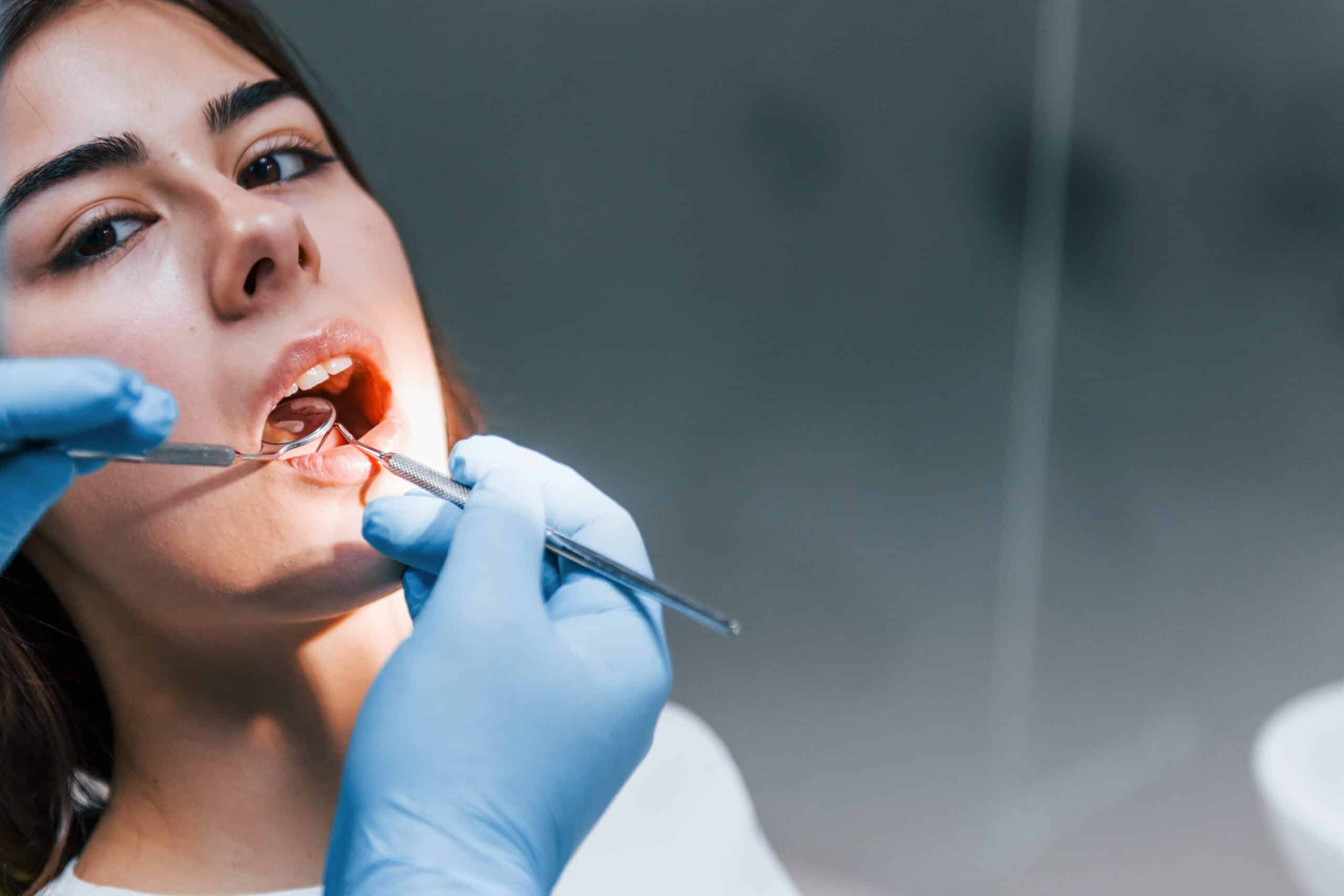
The early signs of gum disease can include bleeding while brushing, red or swollen gums, tenderness, and persistent bad breath. These symptoms may indicate gingivitis, the earliest stage of periodontal disease. At Highland Dental Studio Phoenix, patients can receive an oral examination from general dentist to assess gum health and identify concerns before they progress.
Gum disease develops when plaque, a sticky film containing bacteria, accumulates along the gumline. Without effective removal, plaque can harden into tartar and contribute to inflammation. Early detection matters because gingivitis can usually be reversed with appropriate oral hygiene and professional cleaning, while periodontitis can cause permanent damage to the tissues and bone supporting the teeth.
What Are the First Symptoms of Gum Disease?
The first symptoms usually include bleeding gums, redness, swelling, tenderness, or persistent bad breath. These changes may develop without significant pain, so a comfortable mouth does not necessarily mean your gums are healthy.
Watch for these common warning signs:
- Bleeding during brushing or flossing: Your gums may bleed when you clean along the gumline or between teeth.
- Red or swollen gums: The gum tissue may appear redder than usual or look puffy around individual teeth.
- Tenderness: Your gums may feel sore when brushing or eating.
- Persistent bad breath: An unpleasant odor may remain despite brushing and cleaning your tongue.
- Gum irritation: The tissue around your teeth may feel inflamed or sensitive.
One symptom alone cannot confirm periodontal disease. However, recurring bleeding or visible gum changes warrant a dental assessment. The NIDCR guide to periodontal disease explains these symptoms and how dentists evaluate them.
Why Do My Gums Bleed When I Brush?
Gums that bleed during brushing may be inflamed by plaque buildup, a common cause of gingivitis. Brushing too aggressively or using an unsuitable technique can also contribute to bleeding.
Plaque collects around the gumline and between teeth. If it remains, the surrounding tissue can become inflamed and bleed during routine cleaning. Once plaque hardens into tartar, brushing alone cannot remove it; a dental professional must clean the affected areas.
Do not stop cleaning between your teeth simply because your gums bleed. Use a soft-bristled toothbrush, brush gently twice daily with fluoride toothpaste, and clean between your teeth once daily using dental floss or an appropriate interdental brush.
If bleeding continues, becomes frequent, or occurs with swelling and tenderness, arrange a dental examination. Your dentist can assess the cause and recommend suitable care.
How Do Gingivitis and Periodontitis Differ?
Gingivitis causes gum inflammation without the bone loss that characterizes periodontitis. Untreated gingivitis can progress to periodontitis, which damages the supporting tissues around teeth.
The distinction matters because the conditions differ in severity and reversibility.
| Feature | Gingivitis | Periodontitis |
|---|---|---|
| Gum appearance | Red, swollen, or bleeding | Inflamed or receding |
| Supporting bone | No bone loss from gingivitis itself | Bone loss may occur |
| Tooth stability | Teeth generally remain stable | Teeth may become loose or shift |
| Reversibility | Usually reversible with appropriate care | Existing bone loss is generally irreversible |
| Treatment | Plaque control and professional cleaning | Periodontal treatment and ongoing maintenance |
Early gum disease does not always progress at the same rate. Risk factors, including tobacco use, diabetes, and inconsistent oral hygiene, can influence its development. Read the CDC’s guidance on periodontal disease for further information.
Can Early Gum Disease Be Reversed?
Gingivitis can usually be reversed by removing plaque, improving daily oral hygiene, and receiving professional cleaning when needed. Periodontitis requires professional management because damage to the supporting bone cannot generally be reversed through brushing and flossing alone.
A dentist or dental hygienist may remove plaque and tartar, assess gum inflammation, and recommend changes to your home-care routine. If deeper periodontal disease is present, treatment may include scaling and root planing, also called deep cleaning.
Continue brushing twice daily and cleaning between teeth every day. Your dentist may recommend more frequent maintenance visits depending on your gum health and risk factors.
For additional guidance on the relationship between systemic health and oral health, read How Diabetes Affects Your Oral Health. Diabetes is associated with a higher risk of gum disease, making regular dental monitoring particularly important for affected patients.
Is Gum Disease Contagious?
Gum disease is not generally classified as a contagious disease, but bacteria associated with periodontal disease can be exchanged through saliva. Sharing oral bacteria does not mean another person will automatically develop gum disease.
Periodontal disease develops through a combination of bacterial plaque, the body’s inflammatory response, oral hygiene, and individual risk factors. Saliva exposure alone does not determine whether someone will develop the condition.
Maintaining good oral hygiene and receiving routine dental care are practical steps for reducing risk. Avoid sharing toothbrushes, which can transfer oral bacteria and other microorganisms.
When Should You See a Dentist About Gum Symptoms?
Schedule a dental examination if your gums bleed repeatedly, remain swollen, recede, or become tender. Loose teeth, painful chewing, or noticeable changes in your bite may indicate more advanced disease and require prompt assessment.
During an examination, a dentist may check gum color, swelling, bleeding, and recession. A periodontal probe can measure the spaces between your teeth and gums. Healthy gum pockets are generally 1–3 millimeters deep; deeper pockets may indicate periodontal disease and need further evaluation. Dental X-rays may be recommended when necessary to assess supporting bone.
If you have persistent symptoms, contact Highland Dental Studio Phoenix to arrange an assessment. The dental team can review your symptoms and explain appropriate next steps. You can also find the practice on Google Maps.
Early assessment helps identify the cause of gum changes and determine whether preventive care or periodontal treatment is needed.
FAQs
What are the earliest signs of gum disease?
The earliest signs often include bleeding during brushing, red or swollen gums, tenderness, and persistent bad breath.
Why do my gums bleed when I brush?
Gums may bleed because plaque buildup has caused inflammation, although aggressive brushing and other conditions can also contribute.
Is gum disease contagious?
Gum disease itself is not generally considered contagious, although bacteria associated with it can be exchanged through saliva.
Can gum disease be cured?
Gingivitis can usually be reversed with effective oral hygiene and professional cleaning, while periodontitis can be managed but existing bone loss is generally irreversible.
Can gum disease develop without pain?
Yes. Early gum disease may cause bleeding or swelling without noticeable pain, which is why regular dental examinations are important.
Recent Posts

Oct. 27, 2026
Why Do I Have Bad Breath Even When I Brush and Floss?
Oct. 22, 2026
What Are the Early Signs of Gum Disease?

Oct. 15, 2026
Is It Safe to Get a Dental Filling While Pregnant?

Oct. 06, 2026
How Do I Know If My Old Filling Needs to Be Replaced?
Sep. 29, 2026