
Call: 602-264-0707
Can You Get Invisalign With Crowns or Veneers?
August 25, 2026
Invisalign
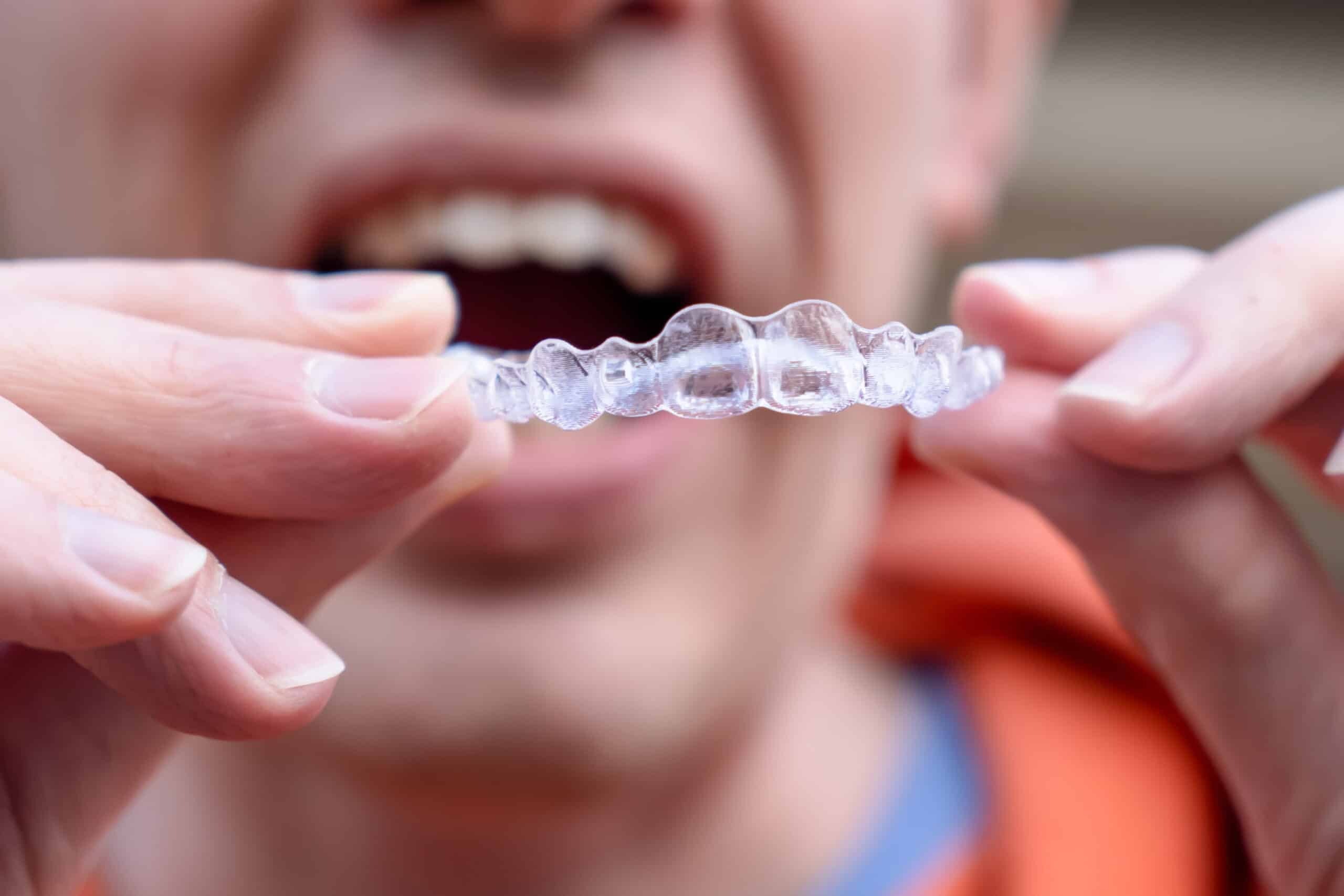
If you’ve invested in a dental crown or a set of veneers, the idea of shifting those teeth with clear aligners might make you nervous — and that hesitation is completely understandable. The good news is that Invisalign in Phoenix is often still a realistic option even when your smile already includes restorative work. Crowns and veneers don’t automatically rule out orthodontic treatment; what matters is how your dentist evaluates the condition of those restorations, the health of the underlying tooth, and how your bite will respond to gradual movement. Patients considering Invisalign treatment with existing dental work should understand both the possibilities and the precautions before starting treatment.
Quick Answer: Yes, you can typically get Invisalign with crowns or veneers, as long as the restorations are stable and properly bonded. Aligners apply gentle, controlled pressure that can move crowned or veneered teeth much like natural teeth, though your dentist may need to adjust attachment placement and monitor restoration integrity throughout treatment.
How Crowns and Veneers Affect Orthodontic Movement
Crowns and veneers are prosthetic covers bonded over a natural tooth structure, but the root and surrounding periodontal ligament — the tissue responsible for tooth movement — remain unchanged. This means a crowned or veneered tooth can generally move through the same biological process as any other tooth. Orthodontists and general dentists alike recognize that tooth movement is governed by root and bone response, not by what covers the visible surface of the enamel.
That said, the material and condition of the restoration matter. Porcelain, zirconia, and composite restorations each interact differently with the attachments (small tooth-colored bumps) that Invisalign trays use to grip and guide teeth. A well-bonded crown typically tolerates this well, while an older or loosely fitted restoration may need replacement before treatment begins.
Why Attachment Placement Requires Extra Care
Invisalign attachments bond directly to enamel, but bonding to porcelain or composite surfaces requires a different technique and sometimes a specialized etching process. Your dentist will assess whether attachments can adhere securely to your existing crowns or veneers, or whether treatment planning should shift more force onto adjacent natural teeth instead.
Common Scenarios Patients Ask About
Single Crown, Otherwise Natural Teeth:
This is one of the more straightforward cases. A single crown, especially one that’s several years old and well-integrated, usually responds predictably to aligner therapy. Your dentist will simply monitor that tooth a bit more closely during progress checkups.
Multiple Veneers on Front Teeth:
Veneers are typically placed on teeth that already had a favorable, healthy position — often for cosmetic reasons rather than alignment issues. If those same teeth now need to move, your dentist may recommend minor adjustments to the treatment plan to protect the veneer’s bond and avoid unnecessary stress at the margins.
Recently Placed Restorations:
If a crown or veneer was placed within the last few weeks, most dentists recommend waiting until the bonding has fully cured and the gum tissue has settled before starting Invisalign. Rushing this step can compromise both the restoration and the accuracy of your treatment plan.
What the Research and Clinical Experience Show
Clinical studies on orthodontic tooth movement consistently show that periodontal ligament response — not crown material — is the primary driver of successful movement. Dentists who regularly combine restorative and orthodontic care report that the key variable isn’t whether a tooth has a crown, but whether the whole mouth has a stable, well-mapped digital treatment plan from the start. This is why a detailed digital scan and 3D treatment simulation are non-negotiable steps before beginning Invisalign for patients with existing dental work.
At Highland Dental Studio Phoenix, treatment planning for patients with crowns or veneers typically includes a closer look at bite alignment, restoration age, and gum health, since these factors influence both comfort and long-term results more than most patients expect.
Precautions Your Dentist Will Take
- Evaluating restoration integrity before committing to a treatment plan, replacing any crown or veneer showing wear, cracks, or marginal breakdown
- Selecting attachment placement carefully to avoid excessive stress on bonded margins
- Adjusting force distribution across the arch so restored teeth aren’t bearing more pressure than they can comfortably handle
- Scheduling more frequent check-ins during the early weeks of treatment to confirm attachments are holding and the restoration remains intact
Phoenix patients juggling busy schedules often appreciate that these check-ins can usually be built around routine cleanings rather than requiring separate visits, keeping treatment convenient without sacrificing oversight.
When Invisalign May Not Be the Right Fit
There are cases where clear aligners aren’t ideal for restored teeth. Extensive bridgework, teeth with very short clinical crowns, or restorations already showing decay at the margins may need to be addressed first — sometimes with traditional braces or a modified aligner protocol. A thorough consultation, including digital imaging, is the only reliable way to know which category your smile falls into.
Caring for Crowns and Veneers During Invisalign Treatment
Good oral hygiene becomes even more important once aligners are added to a mouth with restorations. Trapped debris around crown margins or veneer edges can lead to decay or gum irritation that’s easy to miss under a tray. Rinsing after meals, cleaning aligners daily, and keeping up with regular dental checkups helps protect both your investment in cosmetic work and your orthodontic progress.
Frequently Asked Questions
Can Invisalign attachments damage my veneers?
When placed correctly by an experienced dentist, attachments should not damage veneers. The bonding technique is adjusted for porcelain surfaces to minimize any risk to the restoration.
Will my crown need to be replaced after Invisalign?
Not necessarily. If the crown remains intact and well-fitted after treatment, replacement usually isn’t needed unless your bite has changed enough to affect the fit.
Is Invisalign painful for teeth with crowns?
Discomfort levels with crowned teeth are generally similar to natural teeth — mild pressure for the first few days of each new tray, then adaptation.
How long does Invisalign take with existing dental work?
Treatment timelines vary based on the complexity of movement needed, but most cases involving crowns or veneers fall within the typical 12–18 month range for full treatment.
Can I get veneers after finishing Invisalign instead?
Yes, many patients choose to complete orthodontic alignment first and then finish with veneers, since this sequence often produces more predictable cosmetic results.
Do I need a specialist if I have multiple restorations?
Not always. Many general dentists with orthodontic training can manage these cases, though complex situations may warrant a referral for additional evaluation.
Ready to Find Out If Invisalign Works for Your Smile?
If you have crowns, veneers, or other restorative work and you’ve been curious about straightening your smile, the team at Highland Dental Studio Phoenix can walk you through a personalized evaluation. Schedule a consultation for Invisalign in Phoenix today and find out whether clear aligners are the right next step for your smile goals.
Recent Posts

Oct. 27, 2026
Why Do I Have Bad Breath Even When I Brush and Floss?
Oct. 22, 2026
What Are the Early Signs of Gum Disease?
Oct. 15, 2026
Is It Safe to Get a Dental Filling While Pregnant?
Oct. 06, 2026
How Do I Know If My Old Filling Needs to Be Replaced?
Sep. 29, 2026