
Call: 602-264-0707
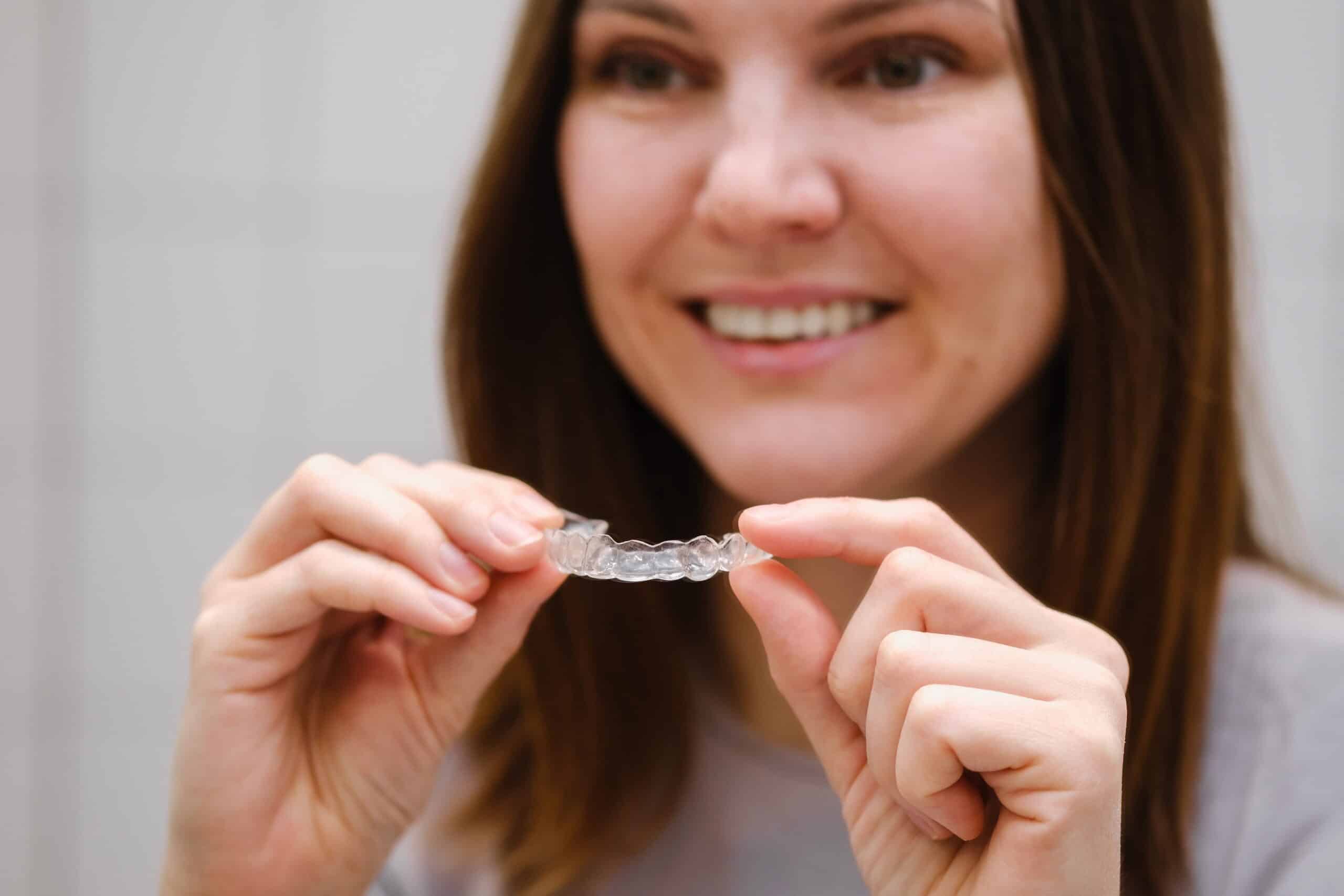
How to Keep Your Teen Compliant With Invisalign Without Daily Battle
May 27, 2026
Orthodontics
Getting your teenager to wear their Invisalign aligners 20 to 22 hours a day sounds simple in theory. In practice, it can feel like a full-time job. If you’re a parent in Phoenix navigating this challenge, you’re not alone — compliance is consistently the biggest hurdle families face during Invisalign Teen treatment.
The good news? With the right strategies in place, most teens do incredibly well. Here’s what actually works.
Why Compliance Is Everything With Invisalign Teen
Unlike traditional braces, Invisalign aligners are removable. That flexibility is one of the biggest selling points — teens can eat whatever they want, brush normally, and feel more confident socially. But that same removability is what creates compliance problems.
Each set of aligners is engineered to apply very precise, controlled pressure to shift teeth into position. When a teen skips wear time even by a few hours a day, those forces don’t have enough time to work. Progress stalls. Refinements become necessary. Treatment timelines stretch out.
Invisalign Teen addresses this with compliance indicators — small blue dots built into the aligners that fade with wear. When the dots fade appropriately by the time the next set is due, you know wear time has been on track. If they haven’t faded, that’s a clear, no-argument signal that something needs to change.
Set Clear Expectations Before Treatment Starts
One of the most effective things a parent can do happens before the first aligner goes in: have a real conversation about responsibility.
When teens feel ownership over their treatment, compliance tends to go up. That means:
- Letting them be part of the decision. If a teen chooses Invisalign rather than feeling like it was imposed on them, buy-in is higher from day one.
- Explaining what’s at stake. Not in a threatening way, but honestly — if the aligners don’t get worn, the teeth don’t move, and treatment takes longer and costs more.
- Setting non-negotiable rules. Aligners go back in immediately after eating. They don’t sit on a lunch tray. They don’t get left in a backpack. Period.
Your orthodontic team at Highland Dental Studio Phoenix will walk through these expectations at the start of treatment — but reinforcing them at home makes a measurable difference.
Build a Routine Around the Aligner Schedule
Teenagers are creatures of habit more than most people realize. The challenge is that good habits don’t form automatically — they need structure.
A few approaches that consistently help:
Tie Aligner Changes to a Weekly Anchor
Most Invisalign Teen patients switch to a new set of aligners every one to two weeks. Pick a consistent day — Sunday nights work well for many families — and make it a small ritual. New aligners, a quick rinse of the case, a check-in on how the week went.
Use Phone Reminders
A simple daily alarm titled “Put aligners back in” set for right after lunch goes a long way. It sounds basic, but school environments are distracting, and teens often need that nudge.
Keep the Case Accessible
Lost and broken aligners are a real compliance risk. When teens have a reliable spot for the case — a specific pocket in their backpack, a spot on the bathroom counter — the habit of putting aligners away (rather than on a napkin) becomes automatic.
Handle Soreness Honestly
One of the most common reasons teens take aligners out and “forget” to put them back is discomfort. New aligners typically cause soreness for the first day or two of each two-week cycle — that’s normal and expected.
Being upfront about this helps. Teens who are surprised by the pressure often panic and remove aligners; teens who were told ahead of time that it means the treatment is working tend to push through.
Over-the-counter pain relief like ibuprofen (if appropriate for your teen and approved by their provider) on the first day of new aligners can make a real difference. Cold water also helps.
Address the Social Confidence Factor
Some teens comply fine at home but take aligners out during social situations — at lunch with friends, before a sports photo, at a party. This is understandable. Teenagers care intensely about how they look and what peers think.
A few things worth addressing directly:
- Invisalign is designed to be nearly invisible. Most peers won’t notice aligners at all. Showing your teen photos or videos of people wearing them can help normalize it.
- The “lisp” usually resolves quickly. Some teens develop a slight lisp in the first week of treatment. Reassure them that this typically resolves within days as the mouth adapts.
- The goal is the smile they want. Keeping that endpoint visible — whether that’s prom, graduation, or just feeling confident — is a real motivator.
If your teen is weighing their options, it may help to review what today’s Invisalign Teen programs actually offer before committing to a plan.
What to Do When Compliance Slips
It will slip at some point. Don’t catastrophize it, but don’t ignore it either.
When you notice the compliance indicators haven’t faded by the end of the wear period, that’s the moment to have a calm, matter-of-fact conversation — not a lecture. Ask what’s getting in the way. Is it discomfort? Embarrassment at school? Forgetting? Each of those has a practical solution.
If compliance problems persist, the orthodontist may recommend staying in the current set of aligners for an additional week before advancing. That’s not a punishment — it’s just the treatment doing what it needs to do.
The orthodontic team at Highland Dental Studio in Phoenix is experienced in working with teens and parents through these exact situations. Bringing up compliance concerns at check-in appointments is always encouraged.
Involve the Orthodontist as an Ally
For many teens, hearing something from their orthodontist carries more weight than hearing the same thing from a parent. That’s not a parenting failure — it’s just adolescent psychology.
Use that. Ask your provider at Highland Dental Studio to speak directly to your teen about what they’re seeing and what they recommend. Teens often respond well when they’re addressed as the patient — not talked around.
A strong orthodontic care relationship makes the entire treatment experience smoother for everyone in the family.
The Bottom Line on Teen Invisalign Compliance
There’s no single trick that guarantees a compliant teenager. What works is a combination of early ownership, consistent routines, honest conversations about discomfort and social anxiety, and a strong support system at home and at the dental office.
Most teens who go through Invisalign Teen treatment finish with excellent results — because when the process is handled thoughtfully, compliance is very achievable. The aligners work when they’re worn. Your job, and ours, is to make sure that happens.
FAQs
Q: How many hours per day does my teen need to wear Invisalign?
Invisalign aligners should be worn 20 to 22 hours per day for treatment to progress on schedule. That leaves 2 to 4 hours for eating, drinking anything other than water, and oral hygiene. Consistent daily wear is the single most important factor in achieving results within the estimated timeline.
Q: What happens if my teen doesn’t wear their Invisalign aligners enough?
If wear time falls significantly short, the teeth won’t move as planned and treatment can stall. In some cases, the orthodontist may recommend staying in the current set of aligners longer before advancing. Prolonged non-compliance can require refinements or additional aligner sets, which extends the overall treatment timeline.
Q: Do Invisalign Teen aligners have a way to track wear time?
Yes. Invisalign Teen includes compliance indicator dots — small blue dots on the aligners that gradually fade with wear. By the time a patient is ready to switch to their next set, the dots should be faded or nearly gone. This gives both parents and the orthodontic team a straightforward way to gauge whether wear time has been consistent.
Q: My teen is complaining the aligners hurt. Is that normal?
Mild pressure and soreness for the first one to two days after switching to a new set of aligners is completely normal — it means the aligners are applying the intended force to shift teeth. Over-the-counter pain relievers like ibuprofen or acetaminophen (as appropriate and approved by your teen’s provider) can help. If discomfort is sharp, persistent, or involves a rough edge on the aligner, contact your orthodontist.
Q: At what age can teens start Invisalign Teen treatment?
Invisalign Teen is typically recommended once most of the permanent teeth have come in, which generally happens between the ages of 12 and 13 for most patients. However, every teen’s dental development is different. The best way to determine if your teen is a good candidate is with an orthodontic evaluation — the team at Highland Dental Studio Phoenix can assess readiness and recommend timing.
Recent Posts
May. 27, 2026
How to Keep Your Teen Compliant With Invisalign Without Daily Battle

May. 20, 2026
How Often Do You Need an Invisalign Check-Up?

May. 14, 2026
5 Signs You Should See a Dentist Right Away

May. 07, 2026
Broken Tooth at Night in Phoenix? Know What Your Next Step Should Be

Apr. 27, 2026