
Call: 602-264-0707
How To Take Care Of Your Tooth After A Dental Filling?
November 14, 2025
Blog
You’ve just had a dental filling placed, and the initial relief of knowing that the cavity has been taken care of might have you feeling great. But after the procedure, you might wonder: how should I take care of my tooth now that it’s been filled? Is there anything I should do to ensure that this restoration lasts a long time?
It’s completely natural to have questions about caring for your newly filled tooth. Understanding how to maintain the health of your filling is crucial for its success and longevity. If you don’t follow the proper care steps, you risk damaging this restoration, developing more cavities, or even experiencing unnecessary discomfort.
In this blog, we’ll dive into everything you need to know about caring for your tooth after a filling, how this procedure works, and what to do (and not do) to ensure your treatment is successful. We’ll also provide tips for protecting your teeth to prevent future dental issues.
What Are Dental Fillings and Why Are They Required?
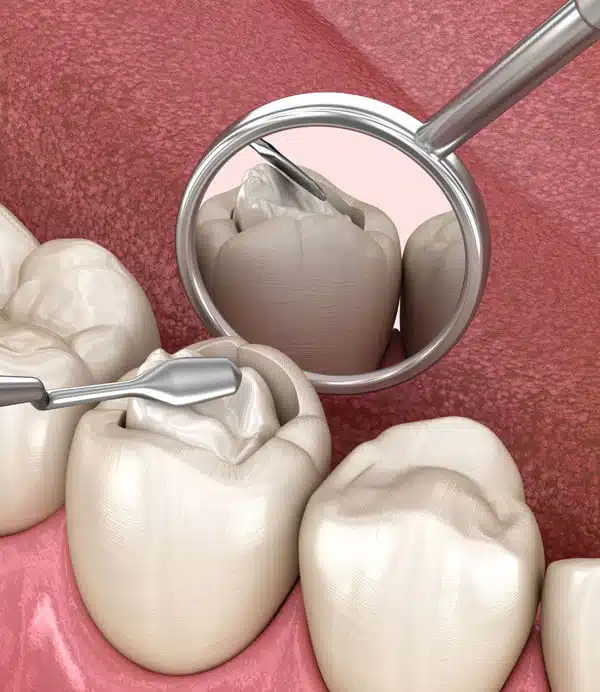
A dental filling is a treatment used to restore a tooth that has been damaged by decay. When a tooth develops a cavity, the decayed portion is removed, and the space is filled with a durable material, such as composite resin, amalgam, or porcelain. This restores the tooth’s shape, size, and functionality, allowing you to eat and speak normally again.
Various types of fillings can be used based on the location of the cavity, the size of the damage, and your personal preferences:
Composite Fillings: They are ideal for visible areas, such as front teeth, as they blend seamlessly with your natural tooth color.
Porcelain Fillings: These are highly aesthetic and can provide a long-lasting, natural appearance.
The benefits of these restorations are significant. Not only do they restore the functionality of the tooth, but they also prevent further damage by sealing off the cavity and protecting the tooth from bacteria and decay. Once the filling is placed, it helps to prevent the spread of decay to the surrounding teeth.
I had an excellent experience at this dental practice. The dental hygienist was not only highly knowledgeable but also genuinely engaging, making the visit enjoyable. He guided me through each step of the process, addressing my concerns with care. The dentist was equally impressive—kind, skilled, and thorough. She took detailed images of my teeth and explained everything clearly. The atmosphere was both professional and welcoming. I have already referred a friend and look forward to returning next week for a filling. I highly recommend this dental office. – Rachel Manley
Don’t just take our word for it—explore our real patients’ Google reviews and see why they trust us.
Ready for a Healthier Smile? Schedule Your Visit Today!

Thanks for taking the time to learn more about how to take care of your tooth after a dental filling. We hope this guide helps you feel more confident about protecting your smile and keeping your restoration strong for years to come.
At Highland Dental Studio Phoenix, Dr. Mahwesh Razzaq and Dr. Mark Lamborn are committed to providing comfortable, compassionate, and high-quality care for every patient who walks through our doors. Their combined expertise, gentle approach, and dedication to personalized treatment ensure that you always feel informed, supported, and well-cared-for—whether you’re getting a simple filling or a more advanced restorative procedure.
Your oral health matters, and our team is here to make the process easy, stress-free, and tailored to your needs.
So why wait? If you’re ready to keep your smile healthy and your fillings lasting long, schedule an appointment today. We look forward to caring for you and helping you maintain a confident, beautiful smile!
How to Care for Your Teeth After Having a Dental Filling?
Now that we know what a dental filling is and why it’s necessary, let’s focus on the critical part: caring for your tooth after the procedure. How you take care of your teeth can directly affect the success of your treatment.
Avoid Eating Immediately After Your Filling
After the dental filling, your mouth may still be numb from the anesthesia. This means you might not feel the full extent of what’s going on in your mouth. It’s important to avoid eating or drinking until the numbness wears off to prevent accidentally biting your tongue or lips.
Even after the anesthesia wears off, be cautious about chewing on the side where the filling was placed for the first day or two. This minimizes the risk of damaging the tooth covering while it’s still setting.
Be Gentle with Your Filled Tooth
For the first few days after your dental filling, your tooth may feel slightly sensitive, especially when chewing or consuming cold or hot foods and beverages. This is completely normal, and the sensitivity should subside over time.
However, if you notice persistent or severe pain, it may indicate that this restoration needs adjustment or that there’s an issue with the tooth itself. Contact your dentist for a follow-up appointment if the pain continues.
While the tooth is healing, avoid hard, sticky, or chewy foods that can put extra pressure on the newly filled tooth. Sticky foods, like caramel or gum, can cause the filling to loosen.
Maintain Good Oral Hygiene
Maintaining a high level of oral hygiene is essential for the longevity of your dental filling. Brush your teeth gently but thoroughly at least twice a day and floss carefully around the filled tooth. Use a soft-bristled toothbrush to avoid irritating the area around the filling.
Avoid using abrasive toothpaste or brushing too hard, as this could damage both the filling and the surrounding enamel. Make sure to floss gently around the tooth to remove any food particles or plaque.
Watch for Sensitivity
It’s common to experience some sensitivity in the tooth after a dental filling, especially if you had a large cavity. However, if you continue to experience pain or the sensitivity gets worse over time, it could indicate that the filling is too high or that the tooth is not healing properly.
If you notice that your filling feels uneven when you bite down, or if the tooth remains sensitive to cold, hot, or pressure, it’s essential to consult your dentist. They may need to adjust the filling to ensure that it fits properly and doesn’t cause discomfort.
Follow Up with Your Dentist
After getting a dental filling, it is recommended that you follow up with your dentist if you have any concerns or questions. While fillings are generally safe and effective, routine dental visits allow your dentist to check on the condition of the filling and ensure that it hasn’t worn down or become damaged. Your dentist can also thoroughly clean the area to prevent bacteria from becoming trapped around the filling, which could lead to further decay.
If you’ve ever wondered how the materials used in your dental filling can impact your long-term oral health, it’s essential to consider the type of filling you have. To learn more about how different filling materials can affect the strength and durability of your dental restorations, check out our detailed guide on the topic.
When Should You Visit a Local Dentist for Dental Fillings?
If you’re considering a dental filling or experiencing discomfort from an existing one, it’s essential to seek help from a top dentist in Phoenix, AZ. Regular dental check-ups are crucial for maintaining your teeth’s health and ensuring that your tooth coverings remain intact. If you’re experiencing sensitivity, pain, or other issues after a filling, don’t hesitate to visit a trusted dental practice.
At Highland Dental Studio Phoenix, our team provides comprehensive dental care, from routine check-ups to advanced restorative treatments, including dental fillings. We’ll work with you to ensure that your filling lasts and that you maintain a healthy, beautiful smile.
Book an appointment with us today to discuss how we can help you care for your dental fillings and maintain your long-term oral health.
FAQs
How long does a dental filling last?
A dental filling can last anywhere from 5 to 15 years, depending on the material used and the level of care it receives.
Can I eat after getting a dental filling?
You should avoid eating for at least an hour after the procedure to allow the filling to set properly. For the first 24-48 hours, avoid hard or sticky foods.
Is it normal to feel sensitivity after a dental filling?
Mild sensitivity to hot or cold is common after a filling. If the sensitivity persists for more than a few days, contact your dentist for a follow-up.
How do I know if my filling is damaged?
If you experience discomfort while chewing or notice that the filling feels uneven or loose, it may need to be adjusted or replaced. Visit your dentist for an evaluation.
Can a filling be replaced?
Yes, fillings can be replaced if they become worn out or damaged. Your dentist will assess the condition of your filling and recommend replacement if necessary.
What should I do if my filling falls out?
If your filling falls out, contact your dentist immediately. They will schedule an appointment to replace the filling and address any underlying issues.
Recent Posts

Jun. 03, 2026
Oral Health Tips for Phoenix’s Desert Climate: Heat, Dry Air & Your Teeth

May. 27, 2026
How to Keep Your Teen Compliant With Invisalign Without Daily Battle

May. 20, 2026
How Often Do You Need an Invisalign Check-Up?

May. 14, 2026
5 Signs You Should See a Dentist Right Away

May. 07, 2026