
Call: 602-264-0707
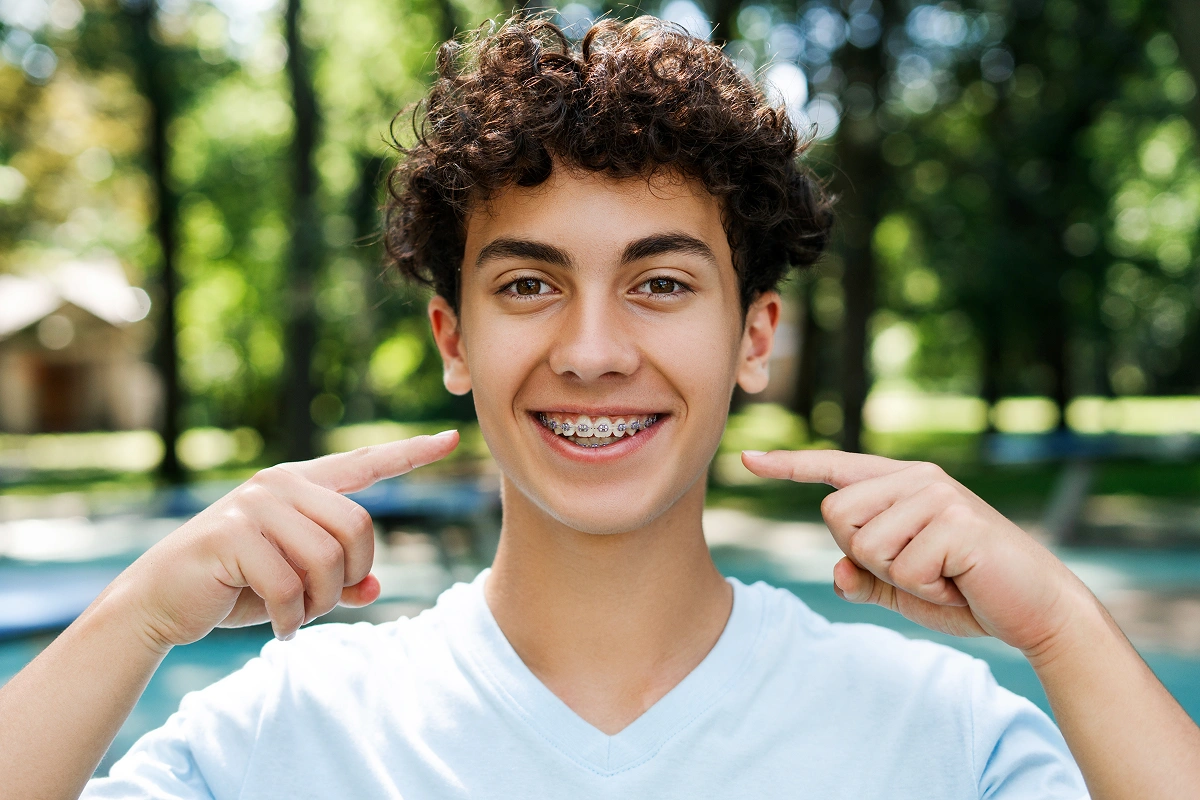
Does My Child Need Two-Phase Treatment?
October 22, 2025
Blog
If you’re a parent wondering whether your child needs two-phase orthodontic treatment, you’re not alone. Many families face this decision when their child’s dentist or orthodontist recommends starting treatment early, often around ages 7-9, followed by a second phase during the teenage years.
Two-phase treatment involves addressing dental and jaw issues in two separate stages rather than waiting for all permanent teeth to come in. While traditional braces remain effective, many families find the process much more comfortable and convenient with Invisalign options now available for younger patients.
This guide will help you understand when two-phase treatment makes sense for your child’s specific needs. We’ll explore the clear signs that indicate your child could benefit from early intervention and break down what happens during each phase of treatment. You’ll also learn how to evaluate whether this approach is right for your family’s situation and budget.
Understanding Two-Phase Orthodontic Treatment
Two-phase orthodontic treatment involves splitting your child’s orthodontic care into two distinct periods, each targeting different aspects of dental and facial development. The first phase typically begins around ages 6-10 while your child still has primary (baby) teeth mixed with permanent teeth. This early intervention focuses on creating proper space for permanent teeth and correcting jaw growth patterns that could become problematic later.
During the first phase, orthodontists work with your child’s natural growth spurts to guide jaw development and create room for incoming permanent teeth. This proactive approach can prevent more severe issues from developing, making the second phase much simpler and shorter.
The second phase usually starts around ages 11-13 when most permanent teeth have erupted. This stage fine-tunes tooth alignment, perfects bite relationships, and ensures your child achieves their best possible smile. The treatment is much more comfortable and convenient with Invisalign options now available for many teenage patients.
The key advantage lies in working with your child’s natural development rather than against it. By addressing foundational issues early, we can often avoid more complex procedures like tooth extractions or jaw surgery that might be necessary if problems are left untreated until adolescence.
How It Differs From Traditional Single-Phase Orthodontics
Single-phase treatment waits until most or all permanent teeth have erupted before beginning any orthodontic intervention. This traditional approach typically starts around ages 11-14 and lasts 18-24 months, addressing all orthodontic issues in one comprehensive treatment period.
The main difference lies in timing and complexity. Single-phase treatment often requires more aggressive interventions because it’s working against established growth patterns rather than guiding them. This can mean:
- Longer treatment times (up to 3 years)
- Higher likelihood of needing tooth extractions
- Increased chance of requiring jaw surgery
- More discomfort during active treatment
Two-phase treatment, by contrast, breaks the process into manageable stages. The first phase is gentler and works with natural growth, while the second phase builds on that foundation to achieve ideal results. Many parents find this approach less overwhelming for their children since each phase has clear, achievable goals.
The optimal timing for each phase of treatment
Phase One timing is critical and typically begins between ages 6-10, coinciding with the mixed dentition period when your child has both baby and permanent teeth. The American Association of Orthodontists recommends children have their first orthodontic evaluation by age 7 for this reason.
Key indicators for Phase One timing include:
- Ages 6-8: Ideal for addressing severe crowding, crossbites, or significant jaw discrepancies
- Ages 8-10: Perfect window for space maintenance and guiding erupting permanent teeth
- Growth spurts: Peak effectiveness when timed with natural jaw growth periods
Phase One treatment typically lasts 12-18 months, followed by a resting period where your child’s remaining permanent teeth finish erupting. This monitoring phase can last 1-3 years, with periodic check-ups to track development.
Ready to Smile? Call Today!

Thanks for taking the time to learn more about how Highland Dental Studio helps families achieve healthy, confident smiles! We hope you’ll feel more at ease about your child’s orthodontic journey and the benefits of two-phase treatment. So what are you waiting for? Dr. Mahwesh Razzaq loves working to bring out your smile, so let’s get started!
Phase Two begins once permanent teeth are mostly erupted, usually between ages 11-13. This timing takes advantage of the adolescent growth spurt while ensuring adequate tooth development. The second phase generally lasts 12-24 months and focuses on:
- Final tooth alignment
- Bite correction
- Aesthetic improvements
- Long-term stability
Waiting too long for either phase can complicate treatment significantly. Missing the optimal window for Phase One might mean more invasive Phase Two treatment, while delaying Phase Two can allow teeth to shift into less favorable positions, requiring longer correction times.
Signs Your Child May Benefit from Two-Phase Treatment
Early indicators of severe crowding or spacing issues
Children’s teeth often reveal future orthodontic challenges long before all permanent teeth emerge. Severe crowding becomes apparent when baby teeth appear too close together or when new permanent teeth struggle to find adequate space. You might notice your child’s front teeth overlapping significantly or permanent teeth erupting behind baby teeth instead of naturally pushing them out.
Excessive spacing presents the opposite problem but can be equally concerning. Large gaps between teeth, particularly in the front, may indicate jaw size discrepancies or missing permanent teeth. While some spacing is normal during the mixed dentition phase, persistent large gaps often signal the need for early intervention.
Parents should watch for permanent teeth that erupt in unusual positions or appear twisted due to lack of space. When first molars come in around age six, they help establish proper spacing for future teeth. If these molars drift forward due to early loss of baby teeth, they can block space needed for premolars and canines.
I highly recommend this office. The staff is like family. Everyone is so friendly and accommodating. The dentist is phenomenal. They have great updated technology. They also educate you. I super appreciate this office. Great place for Invisalign’s! – Rhonda Williams
Don’t just take our word for it — explore genuine patient reviews on Google and see why you can trust us.
Jaw growth problems that require intervention
Jaw development issues often become evident between ages 7-9, making this the ideal window for Phase One treatment. Crossbites, where upper teeth bite inside lower teeth, can cause jaw shifting and uneven growth patterns. Children may unconsciously shift their jaw to one side to achieve a comfortable bite, leading to asymmetrical facial development over time.
An underdeveloped upper jaw (maxilla) creates a narrow palate, often resulting in crowding and breathing difficulties. Children with narrow upper jaws frequently breathe through their mouths, which can impact sleep quality and overall health. Early palatal expansion during Phase One can guide proper jaw growth and improve both dental alignment and airway function.
Overjet, where front teeth protrude significantly, increase trauma risk and may indicate lower jaw underdevelopment. Class II jaw relationships often benefit from early functional appliances that encourage proper lower jaw growth during peak development periods.
Bite alignment issues affecting function
Functional problems with biting and chewing often signal the need for two-phase treatment. Deep overbites, where upper front teeth completely cover lower teeth when biting down, can cause excessive wear on lower teeth and potential jaw joint problems. Children with deep bites may bite their palate or experience jaw discomfort.
Open bites, where front teeth don’t touch when back teeth are closed, make biting into foods like apples or sandwiches difficult. This condition often stems from prolonged thumb sucking, pacifier use, or tongue thrusting habits. Early intervention can address underlying causes while establishing proper tooth contact patterns.
Posterior crossbites affect chewing efficiency and can cause teeth to wear unevenly. When back teeth don’t align properly, children may favor one side for chewing, potentially leading to jaw muscle imbalances and temporomandibular joint issues later in life.
Speech difficulties related to dental positioning
Dental positioning significantly impacts speech development, particularly for sounds requiring precise tongue placement. Children with severe crowding may struggle with “s” and “z” sounds, creating a lisp that affects communication confidence. When front teeth are severely misaligned, the tongue cannot achieve proper positioning for clear articulation.
Spacing issues can also create speech challenges, as excessive gaps allow air to escape during sound production. Children may develop compensation patterns that become difficult to correct once established. Early orthodontic intervention can provide the proper dental framework for clear speech development.
Open bites particularly affect speech because the tongue may thrust forward during swallowing and speaking, creating interdental lisps. Two-phase treatment can address both the underlying cause of tongue thrusting and provide proper tooth positioning for improved speech patterns.
Treatment during Phase One, when combined with speech therapy if needed, becomes much more comfortable and convenient with Invisalign Teen or traditional appliances, allowing children to develop proper speech habits alongside improved dental alignment.
Just as understanding the necessity of crowns after a root canal is crucial for preserving tooth health, it’s equally important to debunk common myths about orthodontic treatments to make informed decisions about your dental care.
Phase One Treatment Benefits and Goals
Guiding Proper Jaw Development During Growth Spurts
Children experience rapid jaw growth between ages 6-10, making this the perfect window for orthodontic intervention. Phase one treatment takes advantage of these natural growth spurts to guide jaw development in the right direction. When upper and lower jaws don’t grow proportionally, early treatment can redirect growth patterns before they become permanent structural issues.
Appliances like palatal expanders work with your child’s natural growth to widen narrow upper jaws, creating better harmony between jaw sizes. This proactive approach prevents more complex surgical corrections that might be needed if jaw discrepancies worsen over time. The malleable nature of young bone tissue responds exceptionally well to gentle, consistent pressure during these growth periods.
Creating Space for Permanent Teeth to Emerge Correctly
Crowded baby teeth often signal that permanent teeth won’t have adequate space to erupt properly. Phase one treatment addresses space deficiencies before all permanent teeth arrive, preventing impacted teeth and severe crowding issues later.
Space maintainers and expansion appliances create room for incoming permanent teeth, reducing the likelihood of teeth becoming trapped under the gums or erupting in wrong positions. Early space management also helps preserve the natural arch form, maintaining proper bite relationships as your child’s smile develops.
Correcting Harmful Oral Habits Early
Thumb sucking, tongue thrusting, and mouth breathing can significantly impact dental and facial development when they persist beyond age 4-5. Phase one treatment includes habit-breaking appliances and techniques that gently discourage these behaviors before they cause permanent changes.
Prolonged thumb sucking can create open bites and narrow upper jaws, while tongue thrusting affects tooth positioning and swallowing patterns. Early intervention stops these habits from continuing to influence jaw growth and tooth alignment, preventing more extensive corrections needed later.
Reducing the Need for Tooth Extractions Later
Strategic early treatment often eliminates the need for permanent tooth extractions during phase two treatment. By creating adequate space and guiding proper development early, orthodontists can usually accommodate all permanent teeth within the natural arch structure.
This space-creating approach preserves your child’s full complement of teeth while achieving optimal alignment and function. Avoiding extractions maintains facial support and creates fuller, more natural-looking smiles that many parents and patients prefer over extraction-based treatment plans.
Phase Two Treatment Focus and Outcomes
Fine-tuning tooth alignment for optimal function
Phase two treatment represents the precision phase of orthodontic care, where every tooth finds its perfect position for maximum bite efficiency. After the foundational work completed in phase one, orthodontists focus on detailed movements that create proper intercuspation – the way upper and lower teeth fit together when you bite down.
During this stage, treatment addresses specific functional issues like ensuring canines guide the jaw properly during lateral movements and correcting any remaining rotations or tilting. The goal extends beyond straight teeth to include proper spacing between contacts, appropriate overjet and overbite relationships, and balanced chewing forces across all teeth.
Modern orthodontic appliances, including traditional braces and clear aligners, work systematically to achieve these refined movements. Patients often find the experience is much more comfortable and convenient with Invisalign during phase two, as the aligners can make precise adjustments while allowing for easier oral hygiene maintenance.
The functional improvements gained during this phase directly impact long-term oral health. Properly aligned teeth distribute chewing forces evenly, reducing wear patterns and decreasing the risk of temporomandibular joint problems. Patients typically notice improvements in their ability to chew effectively and may experience relief from previous jaw discomfort or clicking sounds.
Achieving the best possible aesthetic results
The aesthetic transformation during phase two treatment often exceeds patient expectations, as this stage focuses on creating that picture-perfect smile. Orthodontists work meticulously to align the midlines of upper and lower teeth, ensuring symmetrical proportions and proper display of teeth when smiling.
Attention to detail becomes paramount as doctors fine-tune the gingival levels – the height of gums around each tooth – and adjust the relative positions of teeth to create pleasing proportions. This includes managing the “golden ratio” relationships between central incisors, lateral incisors, and canines for optimal visual harmony.
Color and shape considerations also play a role during this phase. While orthodontics doesn’t change tooth color, proper alignment can dramatically improve how light reflects off teeth, making them appear brighter and more uniform. The correction of rotations and spacing issues eliminates shadows and dark triangles that can detract from smile aesthetics.
Phase two treatment also addresses lip support and facial profile enhancement. As teeth move into their ideal positions, they provide better support for the lips and cheeks, often creating a more youthful appearance and improving overall facial balance.
Ensuring long-term stability of corrections
Stability represents the ultimate measure of orthodontic success, and phase two treatment incorporates specific strategies to lock in the achieved results. Orthodontists carefully evaluate root positions, not just crown alignment, ensuring teeth have proper root parallelism for long-term stability.
The establishment of proper functional contacts between opposing teeth creates natural retention forces that help maintain alignment. When teeth fit together correctly during chewing and speaking, these functional forces actually work to keep teeth in their corrected positions rather than causing relapse.
Tissue adaptation plays a crucial role in stability. The periodontal ligaments and surrounding bone need time to remodel around the newly positioned teeth. Phase two treatment timing allows for this biological process while maintaining active control over tooth positions.
Retention protocols established during phase two typically include both fixed and removable retainers. The specific retention plan depends on the complexity of the original problem, the patient’s age, and individual risk factors for relapse. Many patients receive permanent bonded retainers on the lower front teeth combined with removable retainers for nighttime wear.
Long-term follow-up appointments allow orthodontists to monitor stability and make minor adjustments if needed, ensuring the investment in treatment provides lasting results for decades to come.
Evaluating if Your Child Needs Two-Phase Treatment
Professional Assessment Criteria Orthodontists Use
Orthodontists evaluate several key factors when determining if your child needs two-phase treatment. The first consideration is jaw relationship – they examine how the upper and lower jaws align and function together. Severe bite issues, including significant overbites, underbites, or crossbites, often signal the need for early intervention.
Crowding patterns also play a crucial role in this assessment. When primary teeth show severe crowding or spacing issues, it typically indicates that permanent teeth will face similar challenges. Orthodontists measure available arch space and predict how permanent teeth will fit as they emerge.
Facial symmetry and growth patterns receive careful attention during evaluation. Professionals look for signs of asymmetrical jaw development or abnormal growth directions that could worsen without early treatment. They also assess habits like thumb sucking, tongue thrusting, or mouth breathing that can affect dental development.
The eruption sequence of permanent teeth provides valuable insight. When teeth emerge significantly early or late, or in unusual patterns, early intervention might prevent more complex problems later.
Age Considerations for Maximum Treatment Effectiveness
The timing of two-phase treatment directly impacts its success. Phase one typically begins between ages 6-10, when children have a mix of primary and permanent teeth. This timing allows orthodontists to guide jaw growth while development remains most responsive to treatment.
Peak effectiveness occurs during active growth periods. For girls, this usually happens between ages 10-12, while boys experience their growth spurt slightly later, around ages 12-14. Starting phase one before these growth spurts maximizes the ability to influence jaw development and tooth positioning.
Early treatment proves most beneficial when specific conditions exist. Severe crowding, crossbites affecting jaw function, and significant jaw size discrepancies respond better to intervention during active growth phases. Waiting too long can mean missing the optimal window for guiding natural development.
The gap between phase one and phase two typically lasts 1-3 years, allowing permanent teeth to emerge naturally while maintaining the improvements achieved during initial treatment.
Alternative Treatment Options to Consider
Not every child with orthodontic issues requires two-phase treatment. Single-phase treatment remains the most common approach, typically beginning around age 11-14 when most permanent teeth have erupted. This option works well for children with mild to moderate crowding or spacing issues that don’t require early jaw modification.
Removable appliances offer another alternative for specific problems. Expanders, retainers, and habit-breaking devices can address certain issues without committing to comprehensive two-phase treatment. These options work particularly well for children with minor crowding or harmful oral habits.
For families seeking convenience, clear aligner systems like Invisalign Teen have become much more comfortable and convenient with Invisalign technology advancing significantly. These systems can handle many orthodontic issues that previously required traditional braces, offering flexibility for active teenagers.
Some conditions benefit from a “wait and watch” approach. Mild spacing issues or minor bite irregularities might resolve naturally as permanent teeth emerge and jaw growth continues. Regular monitoring ensures problems don’t worsen while avoiding premature treatment.
Conclusion:
Two-phase orthodontic treatment can make a real difference for children who need early intervention to address jaw growth issues, severe crowding, or bite problems. The first phase focuses on guiding jaw development and creating space for permanent teeth, while the second phase fine-tunes alignment once all adult teeth have emerged. Kids who show signs like difficulty biting, protruding teeth, or severe crowding often see the best results from this approach.
The decision isn’t one-size-fits-all, and not every child needs two phases of treatment. Your orthodontist can help you weigh the benefits against the time and financial commitment involved. If you’re looking for a trusted two-phase treatment specialist in Phoenix, Highland Dental Studio Phoenix offers personalized care with experienced orthodontists who guide your child through each stage of treatment. Our team focuses on both the functional and aesthetic outcomes, ensuring your child develops a healthy, confident smile.
Recent Posts

May. 20, 2026
How Often Do You Need an Invisalign Check-Up?

May. 14, 2026
5 Signs You Should See a Dentist Right Away

May. 07, 2026
Broken Tooth at Night in Phoenix? Know What Your Next Step Should Be
Apr. 27, 2026
Invisalign Before and After: What Results Can You Realistically Expect?

Apr. 20, 2026