
Call: 602-264-0707
How Dental Implants Can Resolve the Issue of Missing Teeth
June 11, 2024
Dental Implants
Missing teeth can lead to a myriad of complications, ranging from aesthetic concerns to significant health issues. Dental implants have emerged as a revolutionary solution, providing not only a natural-looking replacement but also restoring full functionality. This comprehensive guide delves into how dental implants can effectively resolve the problem of missing teeth, detailing their benefits, the procedure involved, and the broader impacts on oral health.
Understanding Dental Implants
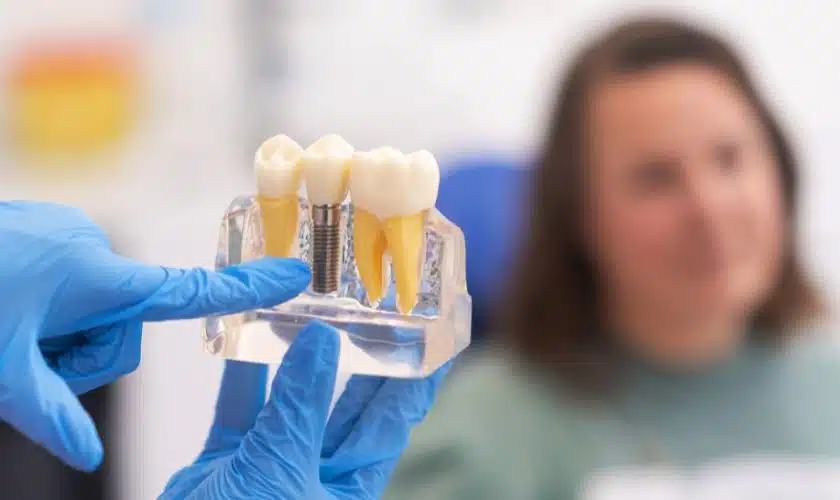
Dental implants are artificial tooth roots made of biocompatible materials, typically titanium, that are surgically implanted into the jawbone. These implants serve as a sturdy foundation for fixed or removable replacement teeth designed to match natural teeth. Unlike dentures or bridges, dental implants are permanent and integrate with the jawbone, offering unparalleled stability and strength.
The Problem with Missing Teeth
Missing teeth can cause several issues, including:
- Aesthetic Concerns: Gaps in your smile can affect self-confidence and social interactions.
- Speech Difficulties: Teeth play a crucial role in articulation; missing teeth can cause slurred or mumbled speech.
- Chewing Problems: Losing teeth can make it difficult to chew food properly, leading to digestive issues.
- Bone Loss: The jawbone can deteriorate in the absence of tooth roots, leading to changes in facial structure and additional tooth loss.
- Shifting Teeth: Adjacent teeth may shift towards the gap, causing misalignment and bite problems.
How Dental Implants Work
Initial Consultation and Planning
The first step in the dental implant process is a thorough consultation with a dental professional. This involves:
- Medical and Dental History Review: Understanding any underlying health conditions that might affect the procedure.
- Imaging Studies: X-rays or CT scans to assess the jawbone’s condition and plan the implant placement.
Surgical Procedure
Dental implant surgery typically involves multiple stages:
- Placement of the Implant: The implant is surgically inserted into the jawbone. Over time, it undergoes osseointegration, where the bone fuses with the implant.
- Healing Period: This can take several months, during which the implant integrates with the jawbone, forming a solid base.
- Abutment Placement: Once the implant is secure, an abutment is attached to hold the replacement tooth.
- Crown Placement: Finally, a custom-made crown is fixed to the abutment, completing the restoration.
Post-Surgery Care and Maintenance
Proper care is crucial for the longevity of dental implants. This includes:
- Good Oral Hygiene: Regular brushing and flossing to prevent infection.
- Regular Dental Check-Ups: Periodic visits to the dentist to monitor the implant and overall oral health.
- Healthy Lifestyle Choices: Avoiding habits like smoking that can compromise implant health.
Benefits of Dental Implants
Restored Functionality
Dental implants function like natural teeth, allowing patients to eat, speak, and smile with confidence. They provide the necessary bite force to chew all types of food without discomfort.
Aesthetic Improvement
Implants are designed to blend seamlessly with natural teeth, providing a visually pleasing result. They help maintain the natural shape of the face and prevent the sunken appearance that often accompanies tooth loss.
Durability and Longevity
With proper care, dental implants can last a lifetime, making them a cost-effective solution in the long run. Their durability surpasses other tooth replacement options like dentures and bridges.
Bone Preservation
By stimulating the jawbone, dental implants prevent the bone loss that typically occurs with missing teeth. This helps maintain the structural integrity of the jaw and prevents further dental issues.
Improved Oral Health
Implants do not require altering adjacent teeth, as is necessary with bridges. This preserves the health of surrounding teeth and contributes to overall oral hygiene.
Dental Implants vs. Other Tooth Replacement Options
Dentures
Dentures are removable replacements for missing teeth. While they are less expensive initially, they can be uncomfortable and may slip or cause difficulty in eating and speaking. Dentures also do not prevent bone loss in the jaw.
Bridges
Dental bridges are fixed replacements that rely on adjacent teeth for support. While they provide a stable solution, they require the alteration of healthy teeth and do not address bone loss in the jaw.
Comparison with Dental Implants
- Stability: Implants provide a stable, permanent solution.
- Bone Health: Implants prevent bone loss, unlike dentures and bridges.
- Longevity: Implants often last a lifetime, whereas dentures and bridges may need replacement.
Potential Risks and Considerations
While dental implants are highly successful, they are not without risks:
- Surgical Complications: Infection, nerve damage, or sinus issues can occur.
- Bone Grafting: In cases of insufficient jawbone, bone grafting may be necessary, adding to the complexity and cost.
- Health Conditions: Conditions like diabetes or osteoporosis can affect healing and implant success.
Dental implants offer a comprehensive solution to the problem of missing teeth, addressing not only aesthetic concerns but also functional and health issues. They stand out as the most durable and effective tooth replacement option, providing benefits that far outweigh those of dentures or bridges. With the proper care and professional guidance, dental implants can restore your smile and improve your quality of life.
Recent Posts

Apr. 07, 2026
Top-Rated Family Dentist: Why Patients Choose Highland Dental Studio Phoenix

Mar. 27, 2026
When Is the Right Time to Get Dental Implants After Bone Grafting?

Mar. 20, 2026
Are Dentures a Smart Choice for Missing Teeth in Phoenix: Is It Worth It?

Mar. 13, 2026
What Happens If You Switch to Invisalign During Orthodontic Treatment?

Mar. 06, 2026