
Call: 602-264-0707
Caring for Your Dental Crown: Tips for Long-Term Maintenance
January 19, 2024
Restorative Dentistry
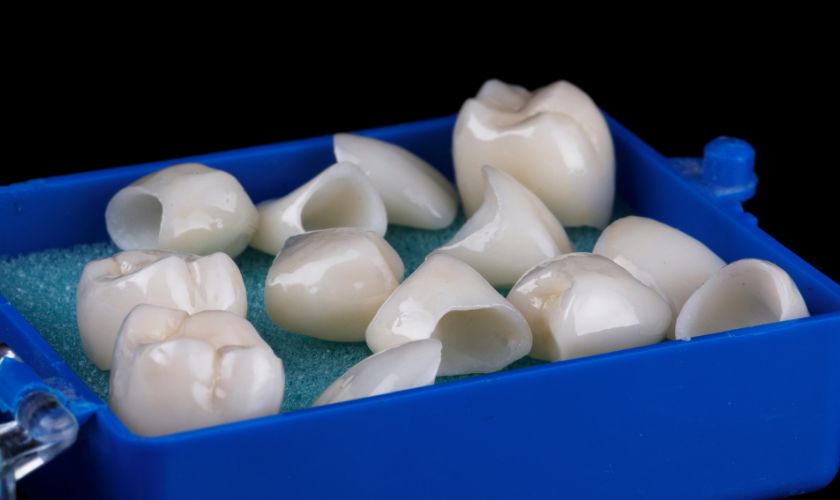
Dental crowns are invaluable for restoring and strengthening damaged teeth, but their longevity largely depends on proper care and maintenance. Whether you’ve recently received a dental crown or are considering one, understanding how to care for it is essential.
Tips for ensuring the long-term health and durability of your dental crown
Adopt Good Oral Hygiene Habits:
Maintain a regular oral hygiene routine by brushing your teeth at least twice a day and flossing once a day. Use a soft-bristle toothbrush and be gentle around the crown to avoid unnecessary pressure.
Choose the Right Dental Products:
Opt for toothpaste that is non-abrasive and fluoride-based to protect both natural teeth and the crown. Consider using an antimicrobial mouthwash to reduce the risk of bacterial growth around the crown.
Flossing Around the Crown:
Flossing is crucial for preventing plaque buildup around the crown. Gently slide dental floss between the teeth and around the base of the crown to remove any trapped debris or bacteria.
Be Mindful of Your Diet:
Avoid biting into hard or excessively sticky foods, as they can put undue stress on the crown. Additionally, limit your intake of acidic foods and beverages that can erode the enamel and compromise the crown’s integrity.
Protect Your Crown from Trauma:
Be cautious of activities that could potentially damage the crown, such as biting on ice, opening packages with your teeth, or engaging in contact sports without a mouthguard. Trauma can lead to fractures or dislodgment of the crown.
Regular Dental Check-Ups:
Schedule routine dental check-ups to allow your dentist to monitor the condition of the crown. Regular examinations can help detect any issues early on and prevent potential complications.
Address Teeth Grinding (Bruxism):
If you have a tendency to grind your teeth, inform your dentist. They may recommend a nightguard to protect both natural teeth and dental crowns from the effects of bruxism.
Avoid Using Teeth as Tools:
Refrain from using your teeth to open packages or perform tasks that require tools. Using your teeth as tools can lead to chips, cracks, or other damage to the crown.
Watch for Signs of Trouble:
Keep an eye out for signs of potential issues, such as changes in bite, sensitivity, or discomfort. If you notice anything unusual, contact your dentist promptly.
Quit Smoking:
If you smoke, consider quitting. Smoking can contribute to the discoloration of dental crowns and increase the risk of gum disease, compromising the longevity of the restoration.
Conclusion:
Caring for your dental crown involves a combination of good oral hygiene practices, mindful dietary choices, and preventive measures. By incorporating these tips into your daily routine and staying proactive about your oral health, you can contribute to the long-term success of your dental crown, ensuring a confident and healthy smile for years to come. If you have any concerns or questions about your dental crown, don’t hesitate to consult with your dentist for personalized guidance.
Recent Posts
May. 27, 2026
How to Keep Your Teen Compliant With Invisalign Without Daily Battle

May. 20, 2026
How Often Do You Need an Invisalign Check-Up?

May. 14, 2026
5 Signs You Should See a Dentist Right Away

May. 07, 2026
Broken Tooth at Night in Phoenix? Know What Your Next Step Should Be

Apr. 27, 2026