
Call: 602-264-0707
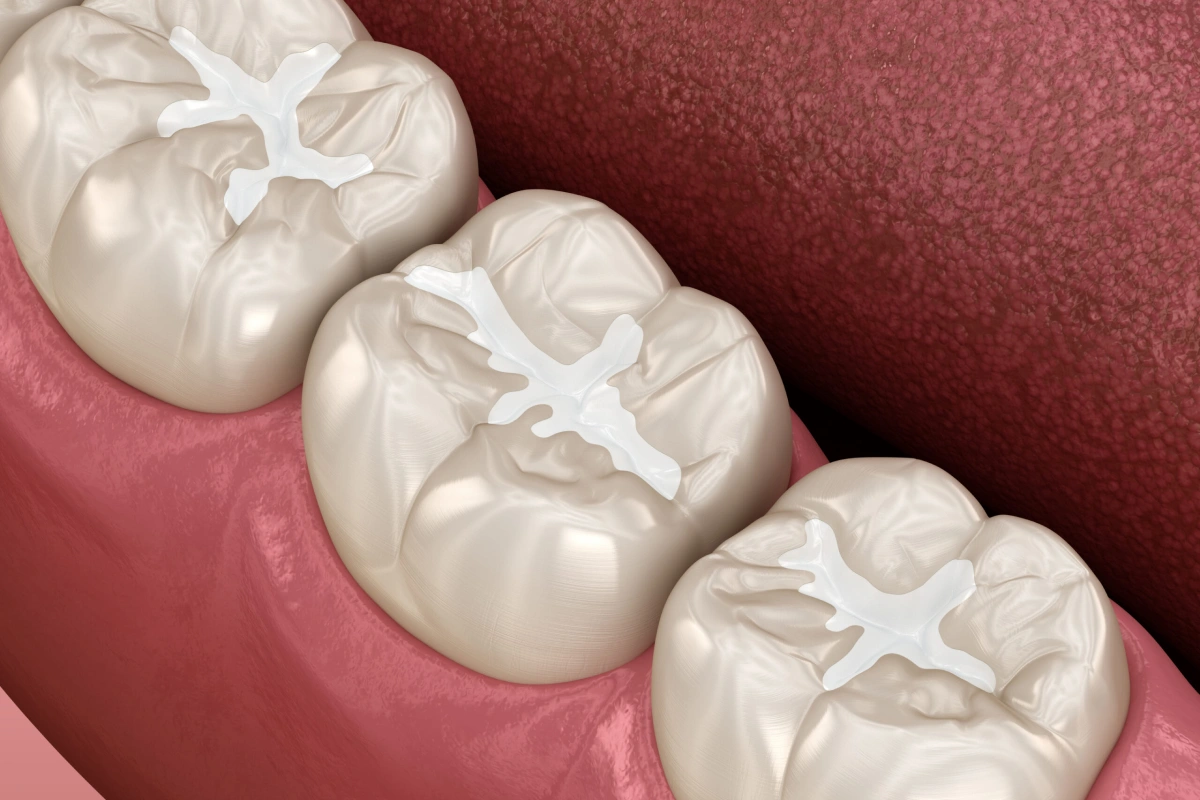
Dental Filling Materials & How They Affect Dental Health
January 16, 2023
Dental Fillings
Introduction
When it comes to maintaining your oral health, dental fillings are one of the most important procedures. Dental fillings can prevent or repair decay, treat cracked teeth and even reshape disfigured teeth. But did you know that the type of filling material used affects dental health? This article will explain more about different types of dental filling materials and how they can affect dental health.
1. Composite Fillings
Composite fillings are one of the most popular types of dental fillings due to their aesthetic appeal. These tooth-colored materials are made from a mixture of resin, plastic and powdered glass, making them strong and durable. They are often used to fill cavities and repair minor chips or cracks in teeth. Because composite fillings are tooth-colored, they blend in with the color of your natural teeth, making them virtually invisible.
Benefits of Composite Fillings
One of the main benefits of composite fillings is that they can be matched to the color of your existing teeth, making them nearly undetectable. This can be particularly helpful if you have a front tooth or two that are decayed or damaged. They are also bondable, meaning they can be securely adhered to the surface of the tooth.
This helps to reduce the risk of further damage and decay.
Caring for Composite Fillings
The good news is that composite fillings don’t require any special maintenance. All you need to do is brush and floss regularly and attend regular dental check-ups as advised by your dentist. This will help to keep your teeth healthy and ensure that the filling stays in place.
2. Amalgam Fillings
Amalgam fillings are made from a combination of metals, including silver, tin and mercury. These materials have been used for centuries as an effective way of treating cavities, chips and other tooth decay.
Benefits of Amalgam Fillings
One of the main benefits of amalgam is that it can be used to fill larger cavities and has a long life span, lasting up to 15 years or more with proper care. Other materials may not be able to withstand the same amount of wear and tear. In addition, amalgam is more affordable than other filling materials.
Caring for Amalgam Fillings
Fortunately, amalgam fillings don’t require any special maintenance. All you need to do is brush and floss regularly and visit your dentist every six months for regular check-ups. This will ensure that the filling remains in place and that your teeth remain healthy.
Conclusion
When it comes to maintaining your oral health, the type of dental filling material used can have a big impact on both the appearance and longevity of the procedure. Composite fillings are tooth-colored and virtually invisible, making them an ideal choice for front teeth or other visible areas. Amalgam fillings, on the other hand, are more durable and affordable, making them a great choice for larger cavities or areas that will experience more wear and tear.
FAQs
Q: What is the best type of dental filling material?
A: The best type of dental filling material depends on your individual needs. Your dentist will be able to advise you on the best option for your particular situation.
Q: How long do dental fillings last?
A: The longevity of a dental filling depends on the type of material used, as well as how well it’s cared for. Composite fillings typically last 3-7 years, while amalgam fillings can last up to 15 years or more.
Q: How often should I get my dental fillings checked?
A: It’s recommended that you visit your dentist every six months for a check-up, as well as when any changes in your oral health are noticed. This will help to ensure the longevity of your dental fillings.
Recent Posts

Jun. 03, 2026
Oral Health Tips for Phoenix’s Desert Climate: Heat, Dry Air & Your Teeth

May. 27, 2026
How to Keep Your Teen Compliant With Invisalign Without Daily Battle

May. 20, 2026
How Often Do You Need an Invisalign Check-Up?

May. 14, 2026
5 Signs You Should See a Dentist Right Away

May. 07, 2026